Nea Peramos Marina
The Athenic Marina
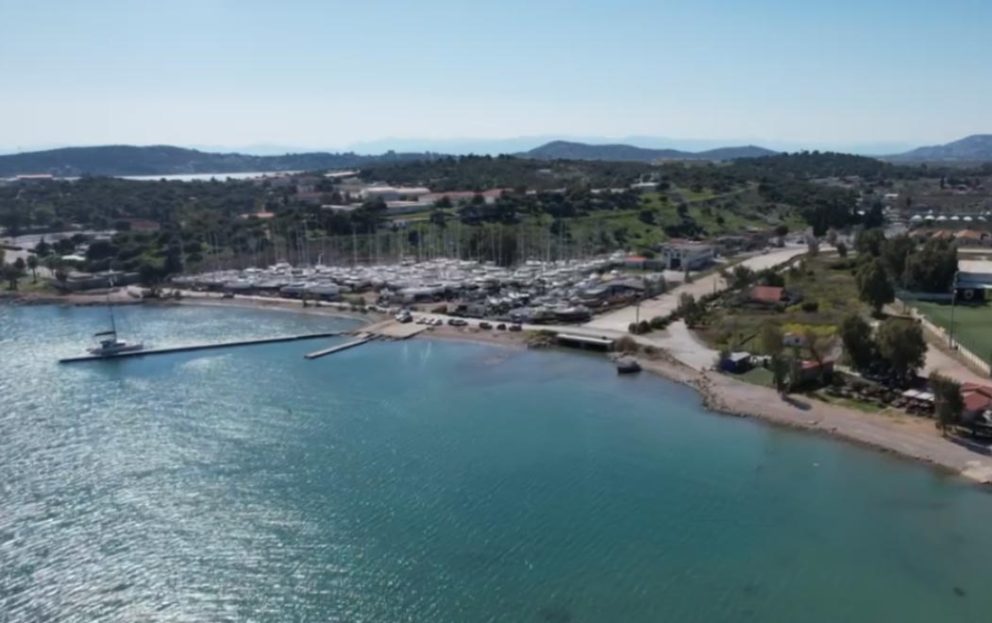
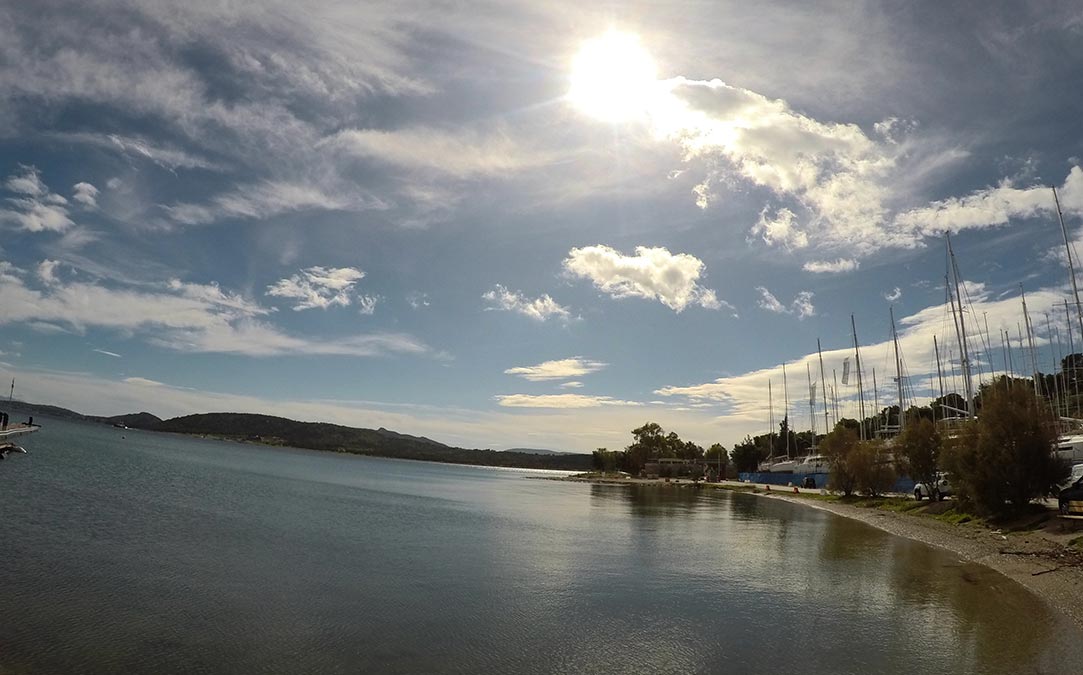
Nea Peramos Marina is located within the natural bay of Nea Peramos in West Attica, between Megara and Elefsina, approximately 45 km west of Athens. It forms part of the wider harbour area and operates under the jurisdiction of the Elefsina Port Authority (Κεντρικό Λιμεναρχείο Ελευσίνας).
The marina accommodates fishing vessels, private yachts and organised charter fleets. Municipal quays and licensed floating pontoons along the outer breakwater and western basin provide structured berthing within a naturally protected bay.
Its position at the northern entrance of the Saronic Gulf has led to increased use as a departure and return point for sailing itineraries, alongside its continuing local maritime activity.
USEFUL INFORMATION
LOCATION & ACCESS
Access by Sea
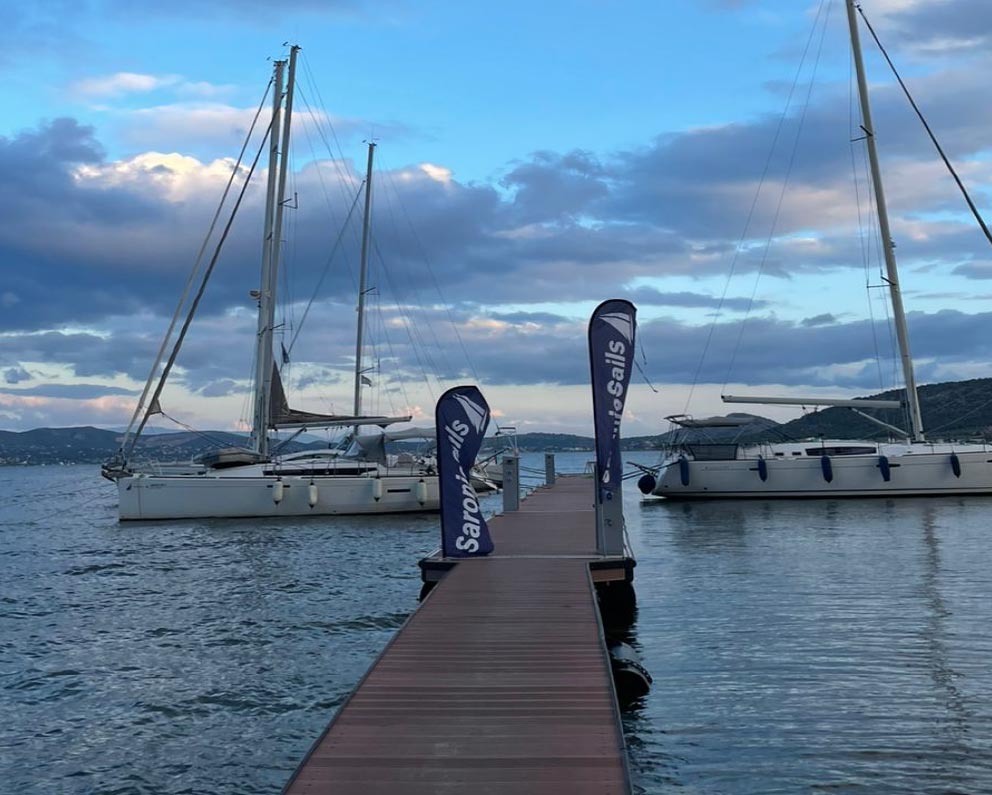
Two harbour entrances
Protected natural bay
Nea Peramos Marina is approached through two main harbour entrances: a south-facing entrance serving the western basin and a north-eastern entrance leading into the main harbour area. The bay is semi-enclosed and provides natural protection for vessels within the harbour limits.
The seabed in the bay is predominantly sandy, with shallower areas closer to the shoreline marked by buoys. Navigational care is advised when approaching the inner parts of the bay, particularly along the western and southern edges.
Access by Land
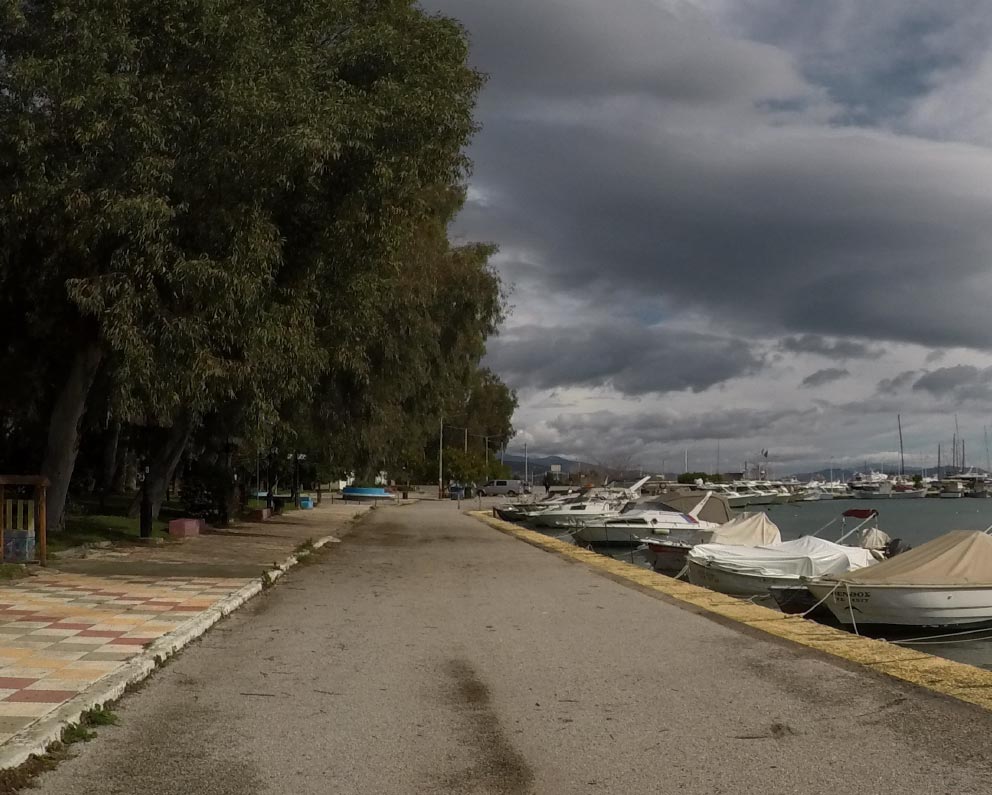
45 km to Athens
63 km to Airport
Nea Peramos is located approximately 45 km west of central Athens and is connected to the capital via the Athens–Corinth National Road (Olympia Odos). Travel time to Athens is typically around 45–60 minutes depending on traffic conditions.
Athens International Airport is located approximately 63 km from Nea Peramos and can be reached in about one hour by car via the Attiki Odos motorway connection.
Access by Rail
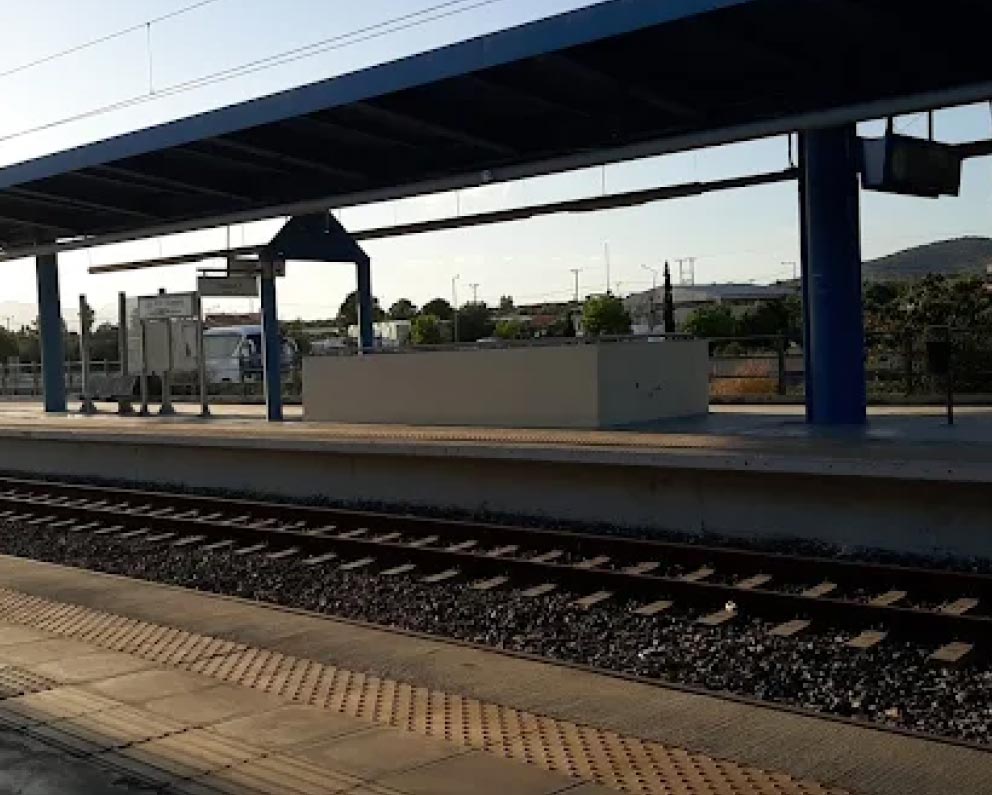
10 min walk to station
30 min to Athens
Nea Peramos railway station, located on the Athens–Kiato suburban railway line (Proastiakos), is approximately a 10-minute walk from the marina and town waterfront.
The line provides direct connections toward central Athens, with typical travel times of around 30 minutes. From Athens, passengers can transfer to metro and suburban rail services serving the wider metropolitan area and Athens International Airport.
HARBOUR & BERTHING AREAS
Main Harbour
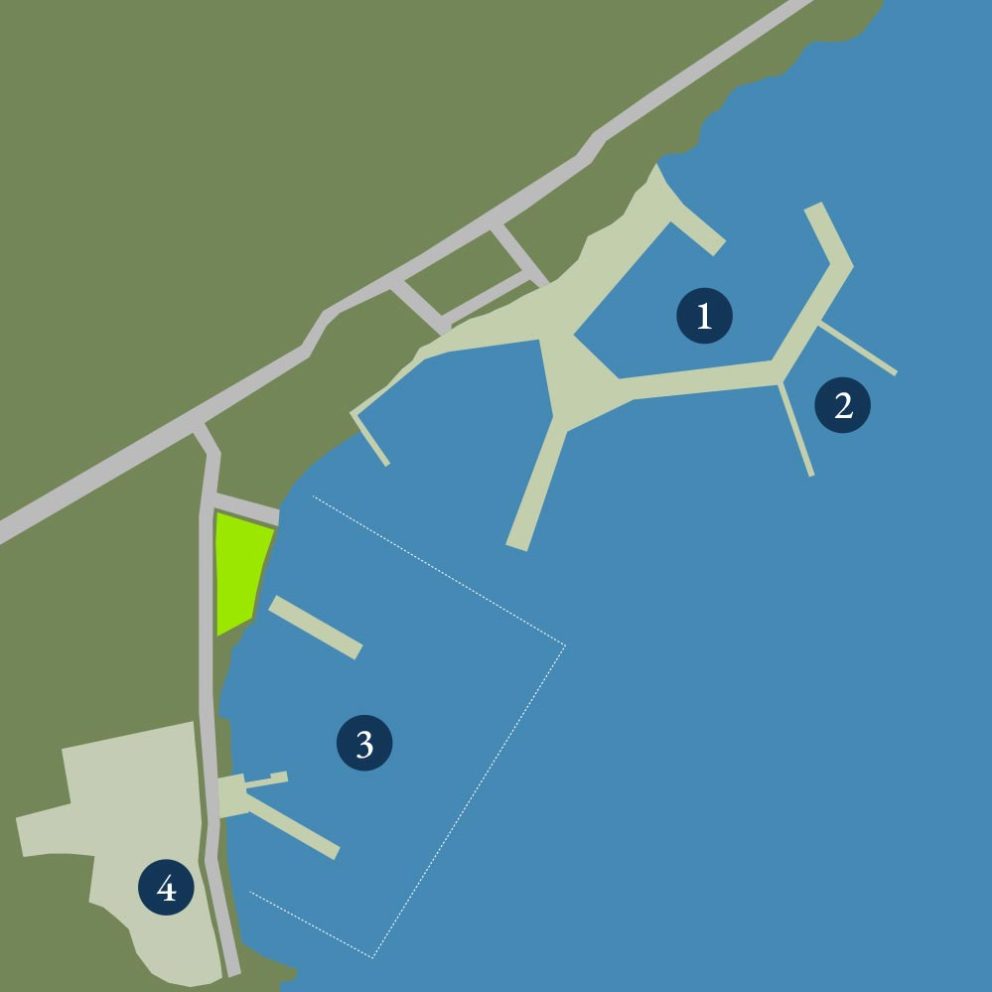
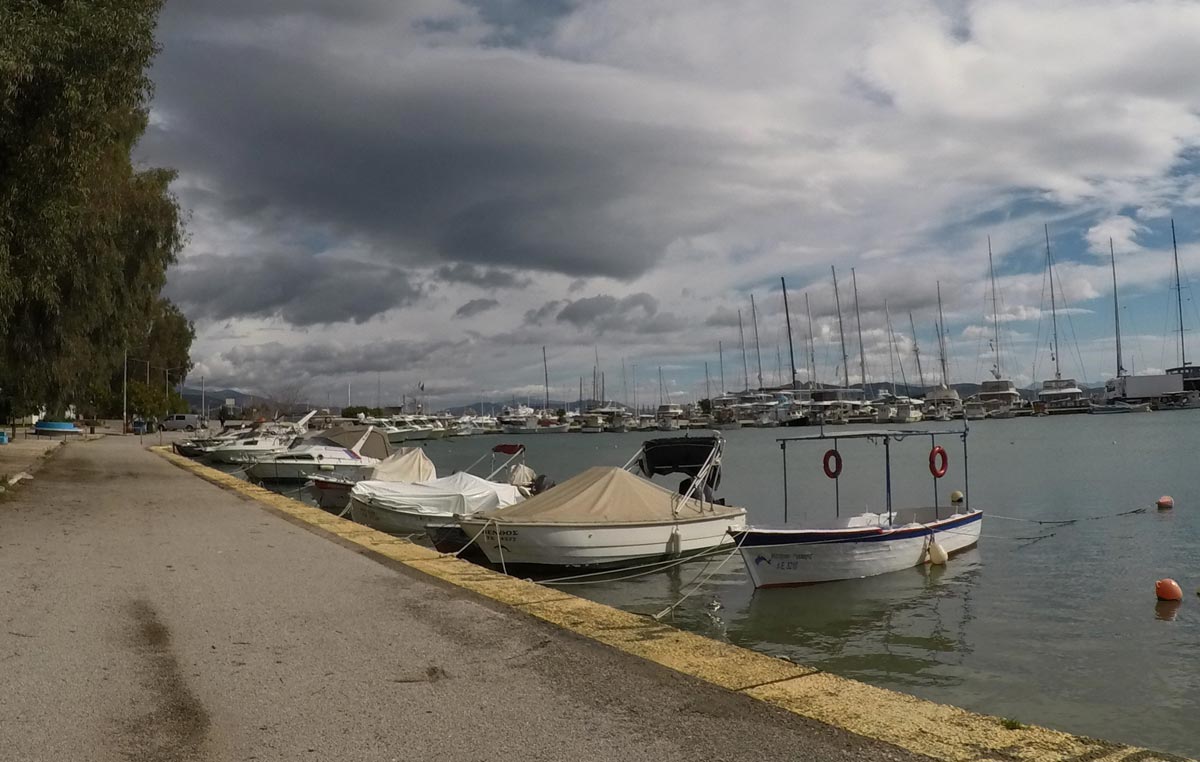
The main harbour of Nea Peramos lies within the naturally protected bay along the town waterfront and includes several berthing areas used primarily by local fishing vessels and smaller private boats. The municipal quay provides direct access to the town centre and waterfront facilities.
Fishing harbour: approximately 90 small fishing vessels
Inner municipal harbour: 42 vessels (10–15 m) and approximately 50 smaller boats
These berths support the long-standing fishing activity of the town while also accommodating smaller recreational vessels within the protected inner basin.
Breakwater Pontoons
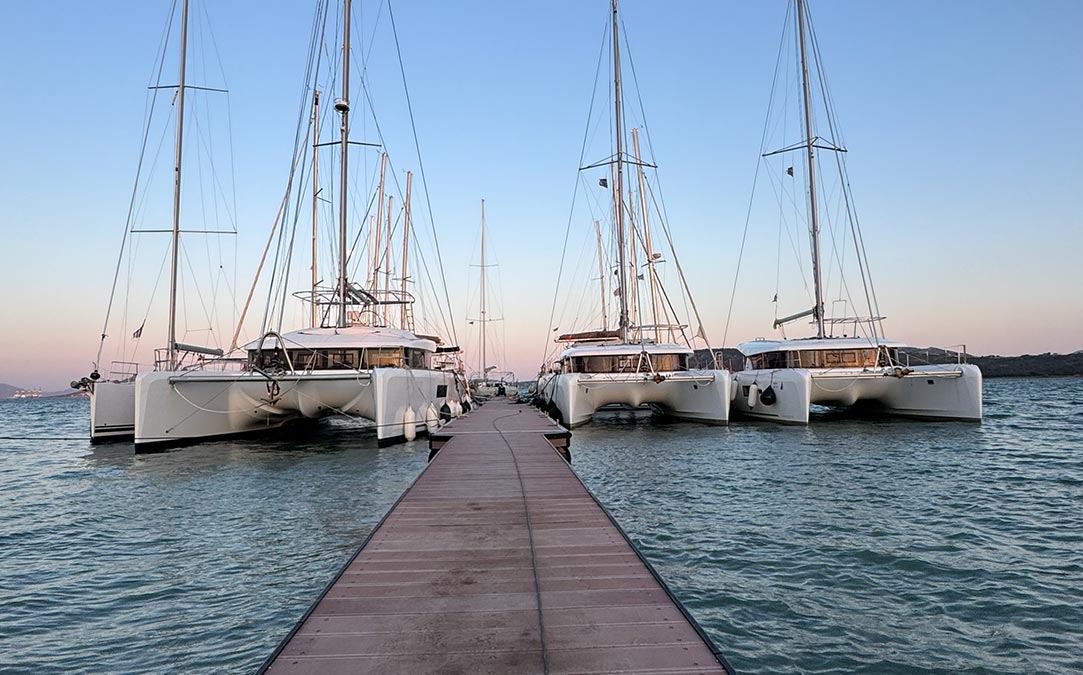
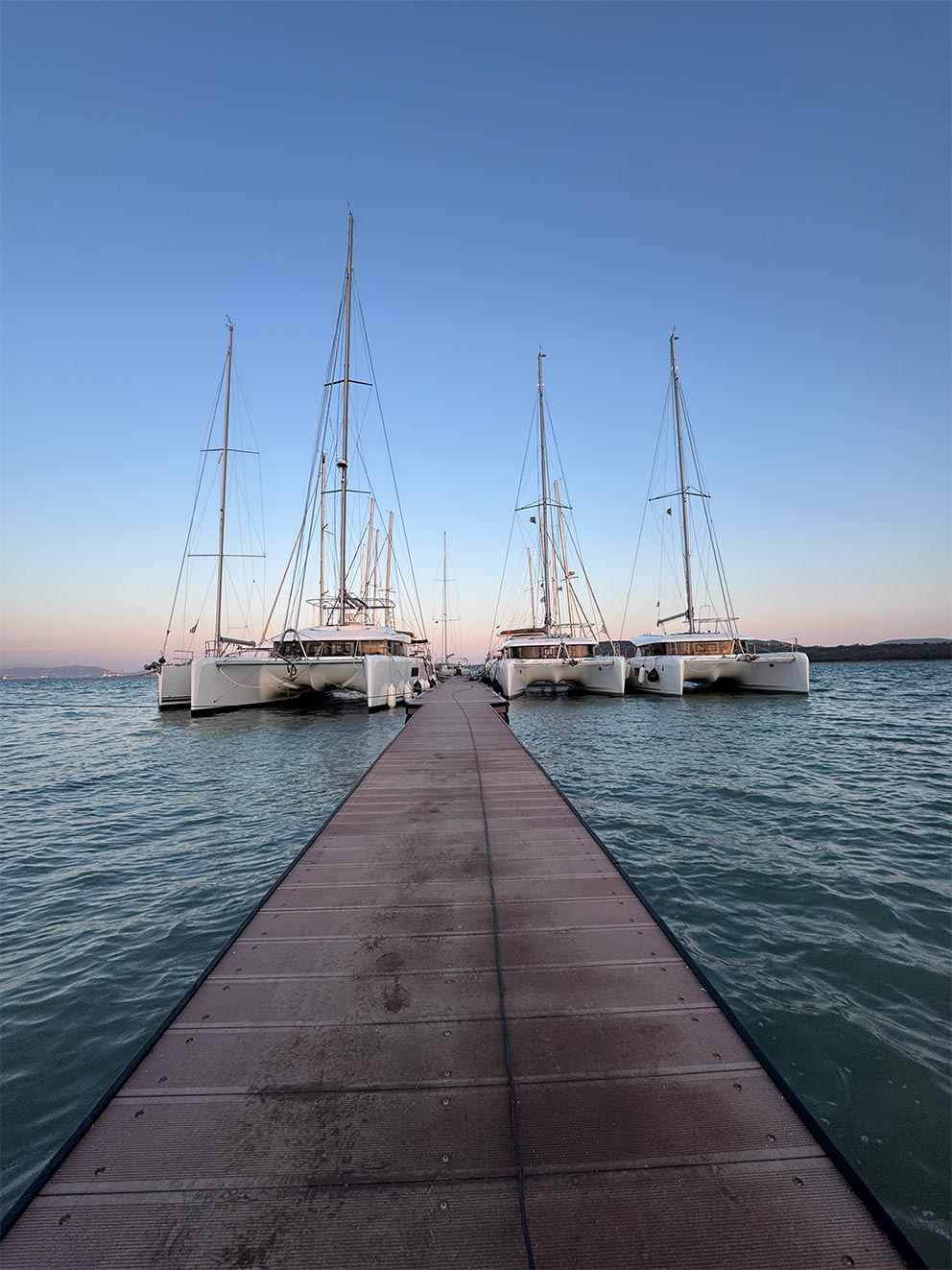
Floating pontoons installed along the outer breakwater provide berthing primarily for recreational sailing yachts and charter fleets. This area accommodates larger vessels and forms the main yacht berthing zone within the marina.
Breakwater pontoons: approximately 110 yachts, up to 27 m LOA
Several sailing charter companies operate from these pontoons, including Athenian Yachts, FX Yachts, Seagma Yachting, GR Sailing and Ego Charter.
Western Floating Pontoons
The western basin of Nea Peramos Marina includes two floating pontoons operated by the charter company and RYA Training Centre Saronic Sails. Each pontoon accommodates approximately 25 yachts.
The pontoons are located close to the local boatyard facilities, providing convenient access to technical services, maintenance operations and haul-out support when required.
Adjacent to the main charter pontoon, a small private yacht club also operated by Saronic Sails serves as a reception and gathering point for crews using the western basin. The club provides drinks and light food and is primarily intended for charter clients and sailing crews operating from this part of the marina.
Boatyard and Haul-Out Area
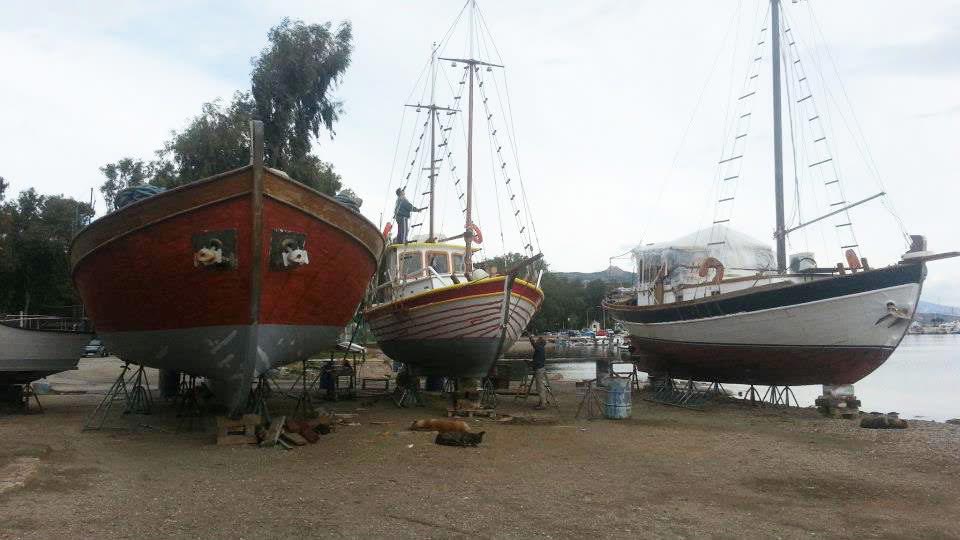
Located at the western end of the harbour, the Nea Peramos Yacht Service (NPSY) boatyard provides technical services and maintenance for sailing yachts and motor vessels operating in the area.
The facility includes haul-out capability, repair areas and winter storage, supporting a range of works including hull maintenance, mechanical servicing and general yacht upkeep.
THE TOWN OF PERAMOS
Nea Peramos is a coastal town within the Municipality of Megara, originally established in 1928 by refugees from Asia Minor who formed a new fishing community along the western Attica coastline.
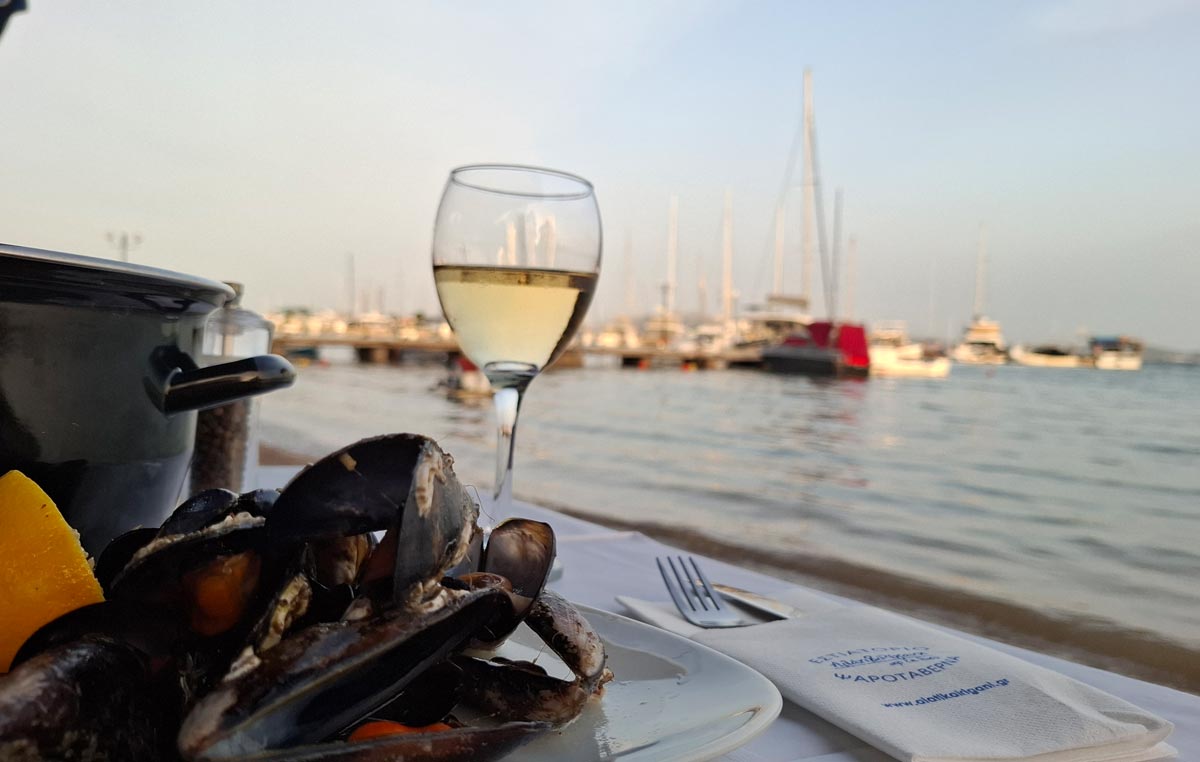
Fishing has historically been central to the local economy and the harbour remains active with small fishing vessels supplying seafood to local restaurants and markets.
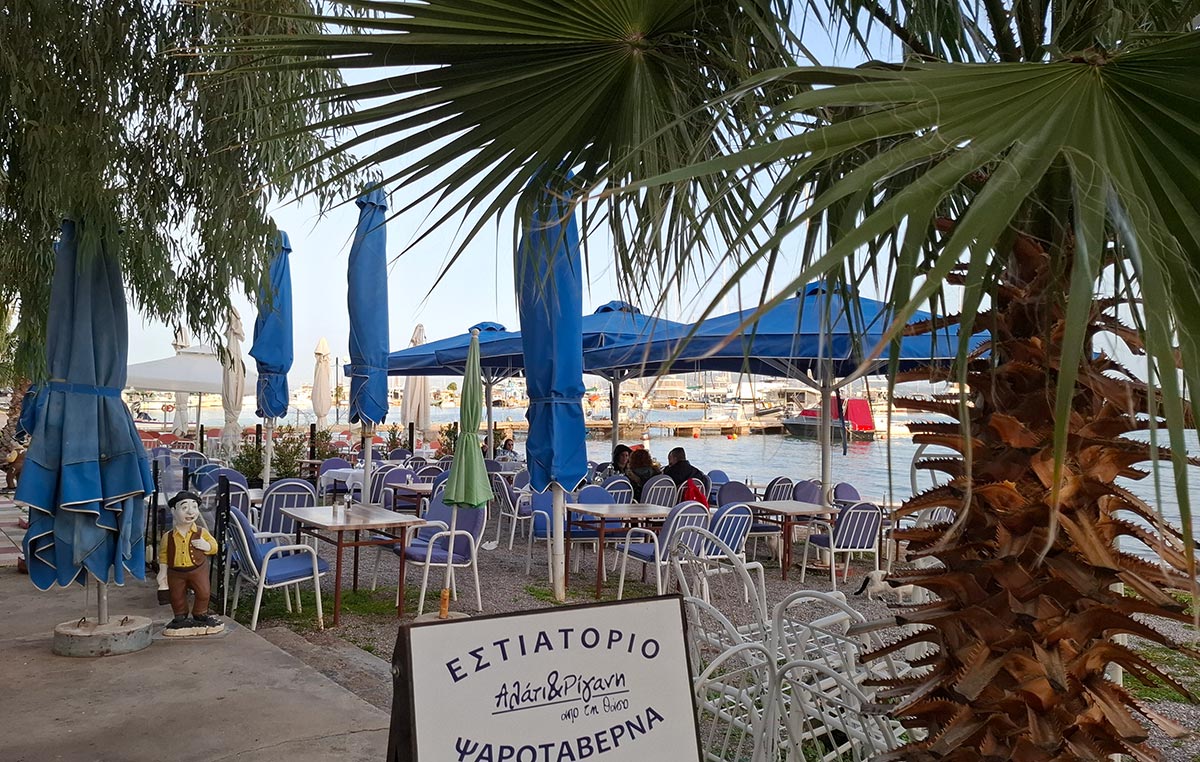
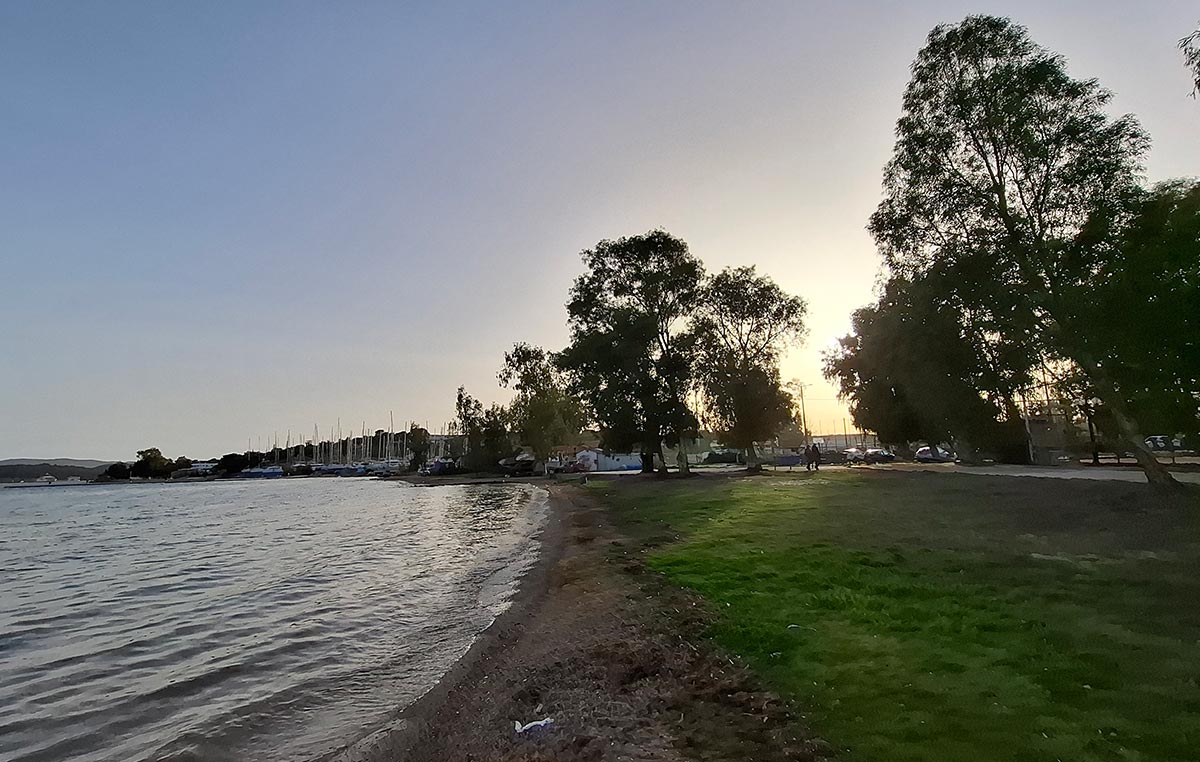
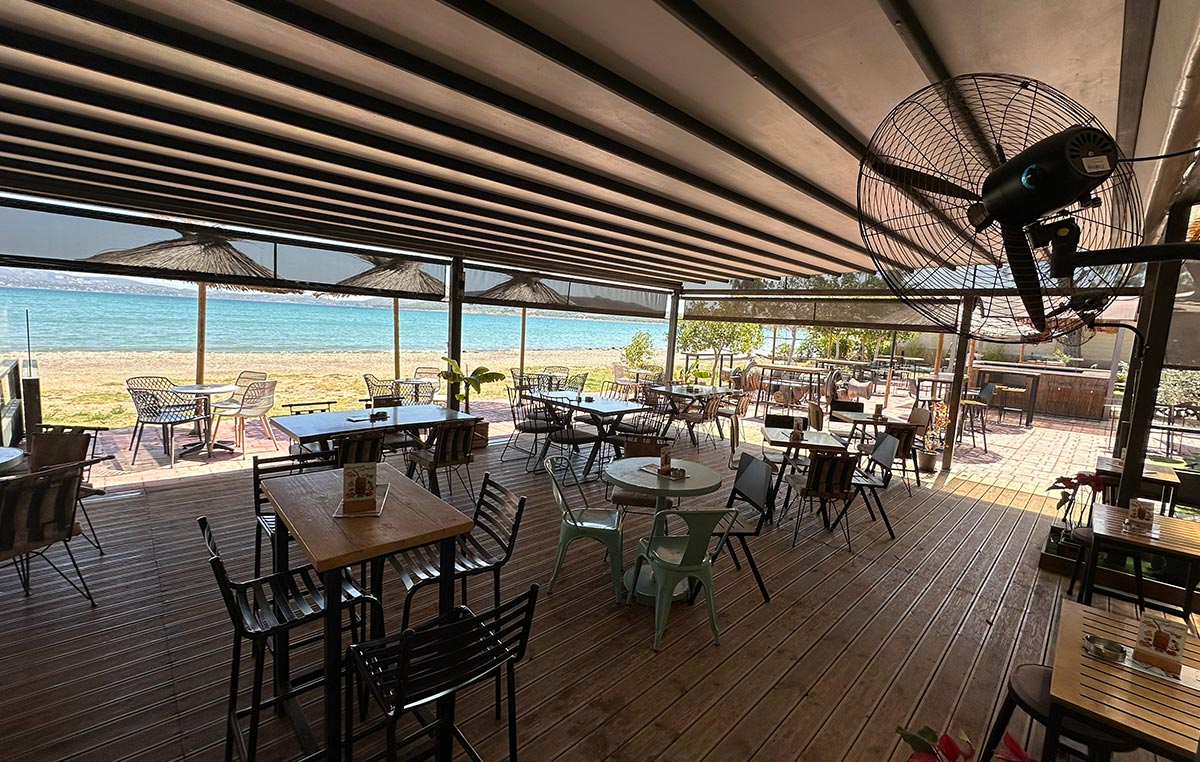
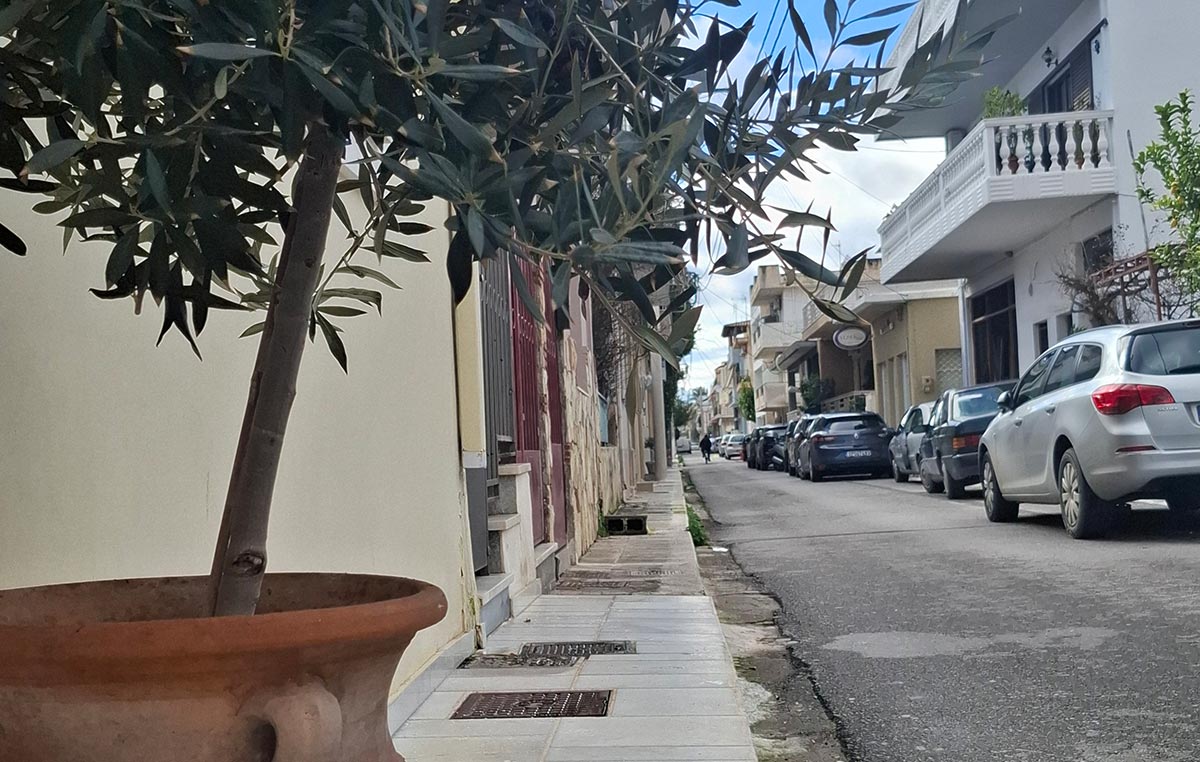
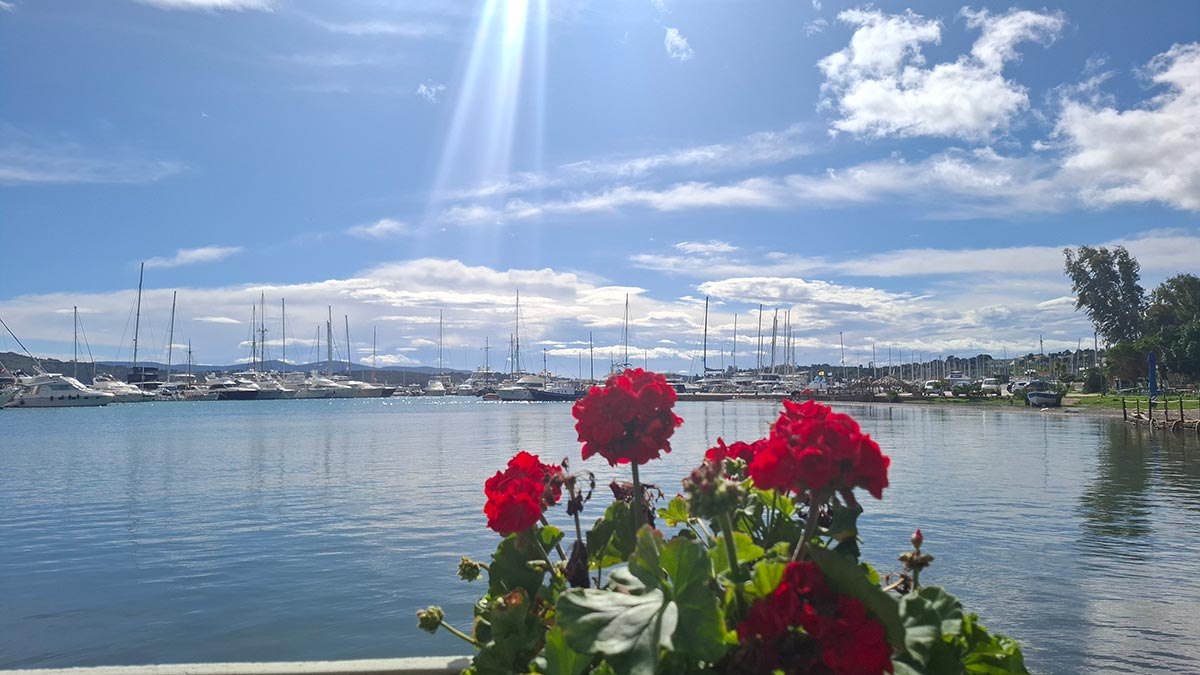
The waterfront area includes cafes, tavernas, playgrounds and public spaces that form the social centre of the town.
NEARBY SITES & ATTRACTIONS
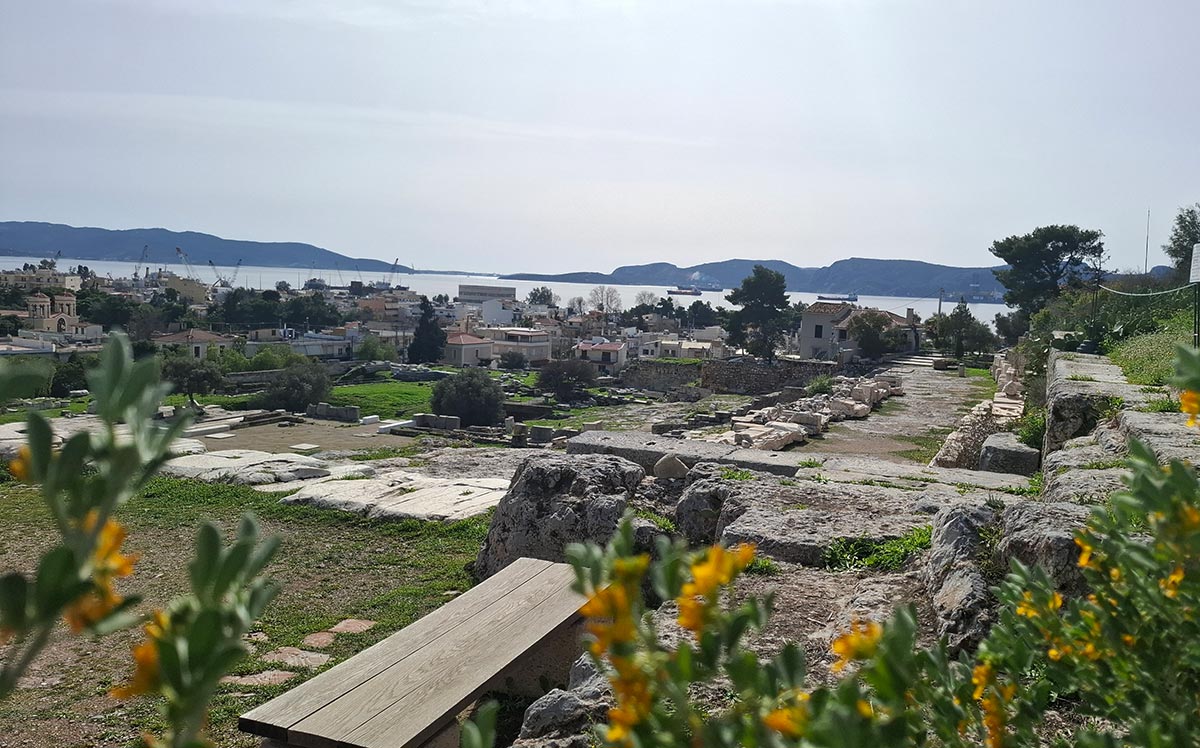
Archaeological Museum of Megara
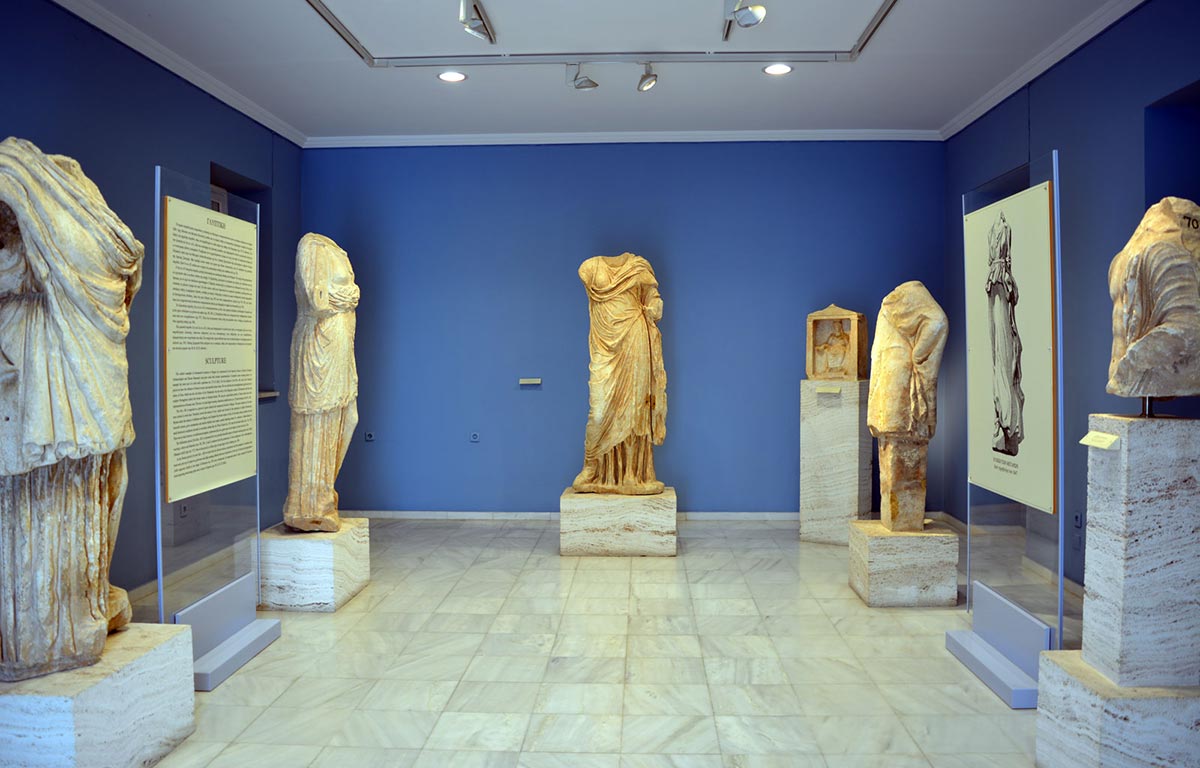
The Archaeological Museum of Megara presents findings from the 8th century BC to the 2nd century AD and is housed in the former Town Hall, a two-storey building with four exhibition areas.
The collection includes marble sculptures, inscriptions, funerary monuments and everyday objects such as pottery and bronze items, offering an overview of public life and daily activity from the archaic to Roman periods. Additional artefacts and architectural elements are displayed in the museum’s courtyard.
Theagenes Fountain (Megara)
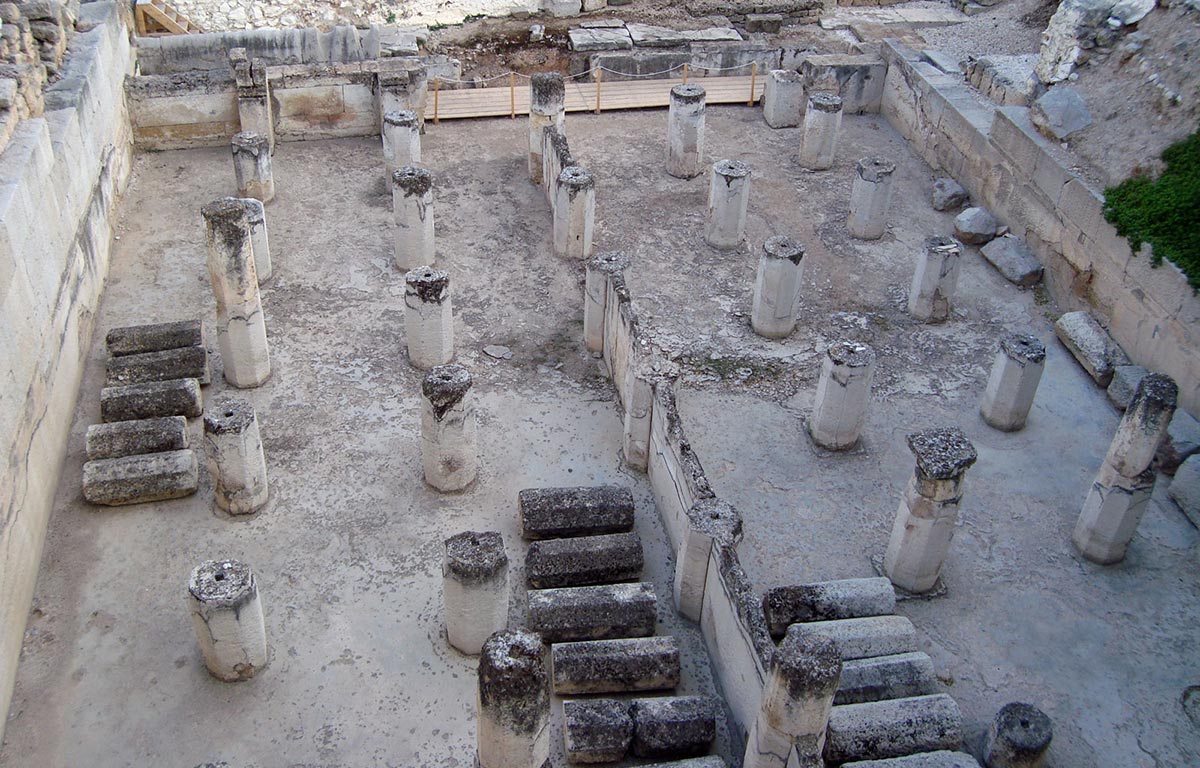
The Fountain of Theagenes is one of the most important archaeological monuments of Megara and a notable water supply structure of the ancient Greek world, dating to the 5th century BC.
It consists of a central basin and two storage reservoirs with separate supply systems, allowing continuous use during maintenance. The structure was built over an earlier fountain, likely associated with the tyrant Theagenes, from whom it takes its name. Nearby excavations have also revealed early water tunnels linked to the engineering tradition of Eupalinos.
Elefsina Archaeological Site
Located approximately 15 kilometres east of Nea Peramos, the Archaeological Site of Elefsina is one of the most important ancient religious centres in Greece. In antiquity, Eleusis was the sanctuary of Demeter and Persephone and the location of the famous Eleusinian Mysteries, a series of secret religious rites held annually for nearly two thousand years.
These ceremonies attracted initiates from across the ancient Greek world and were among the most significant spiritual events of classical antiquity.
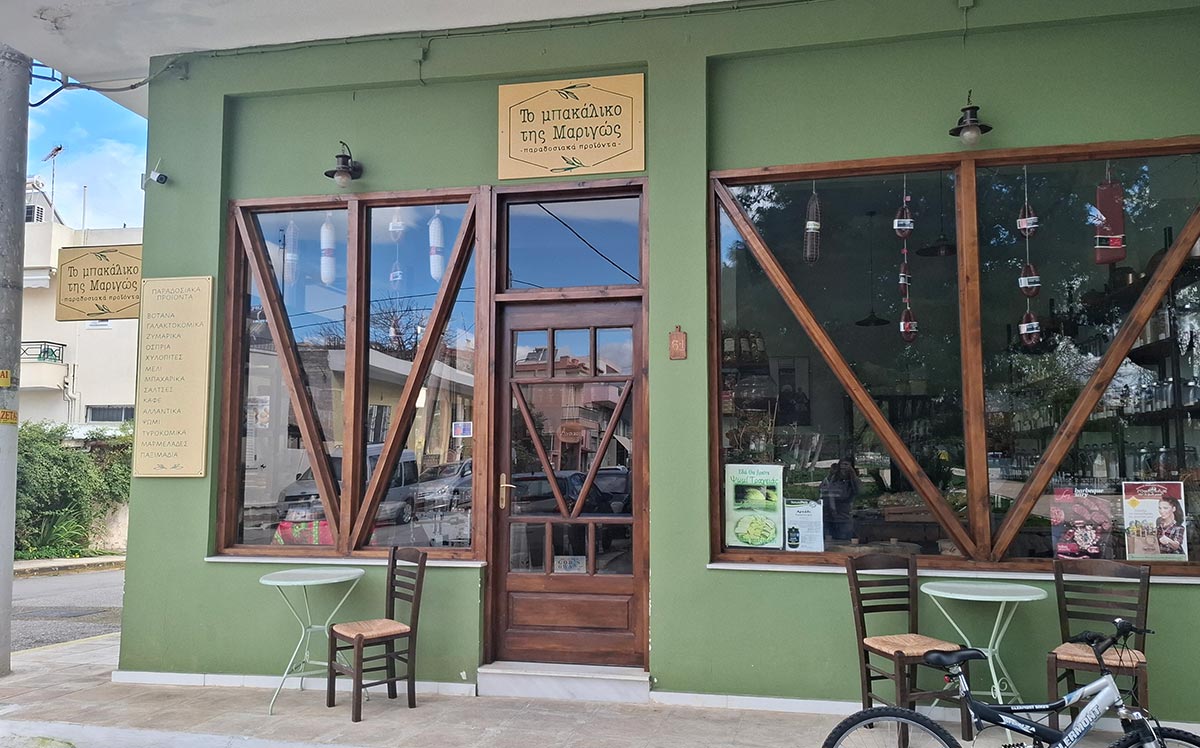
Local Shops and Waterfront
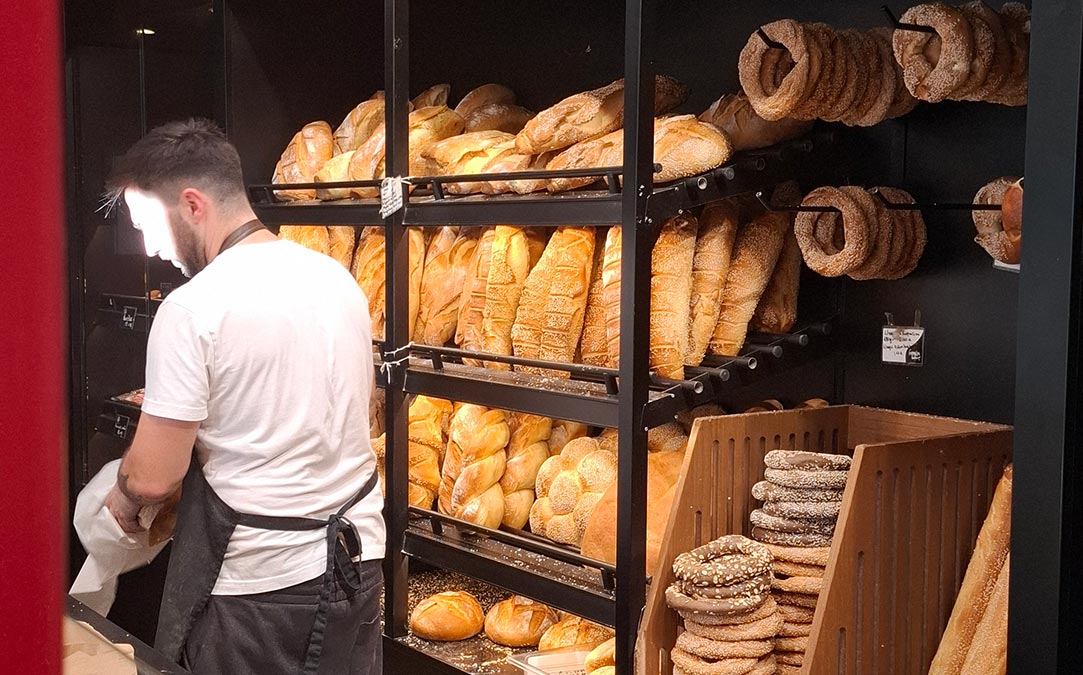
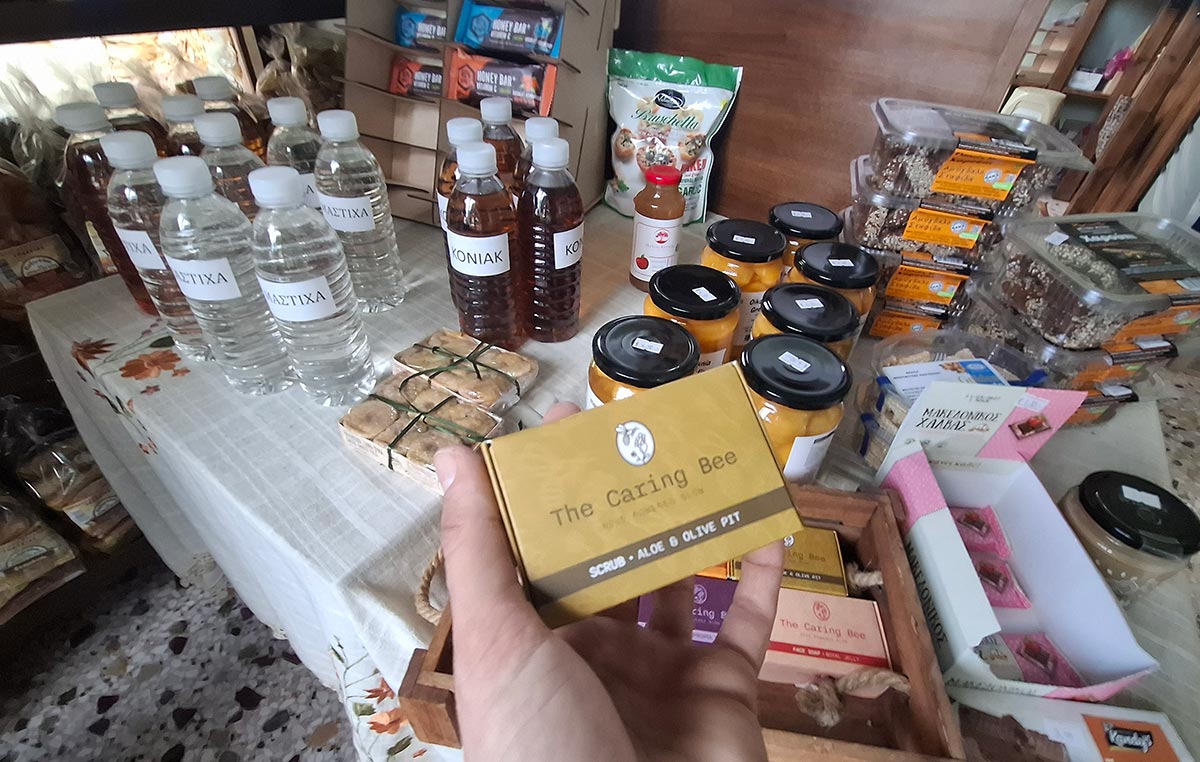
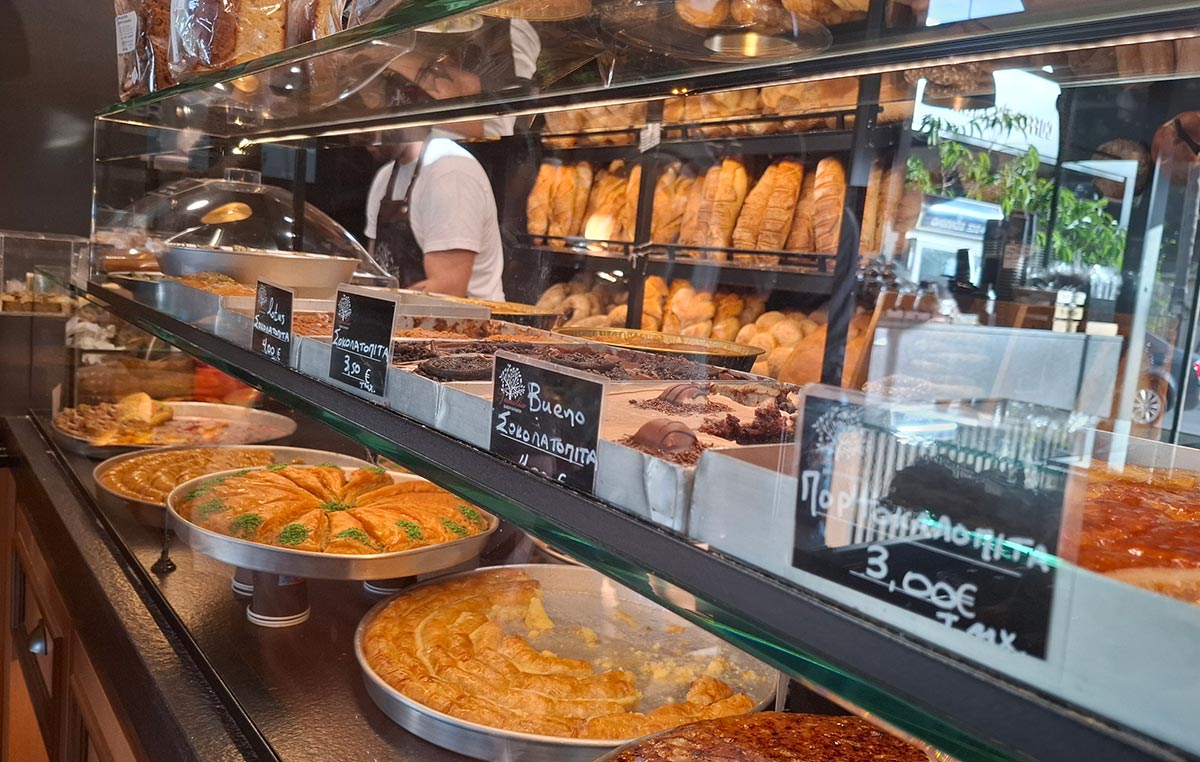
The town centre of Nea Peramos includes a variety of small local shops, traditional bakeries and specialty food stores serving residents and visitors.
Many of these businesses are located along the waterfront and the central streets near the harbour, creating a lively local commercial area.
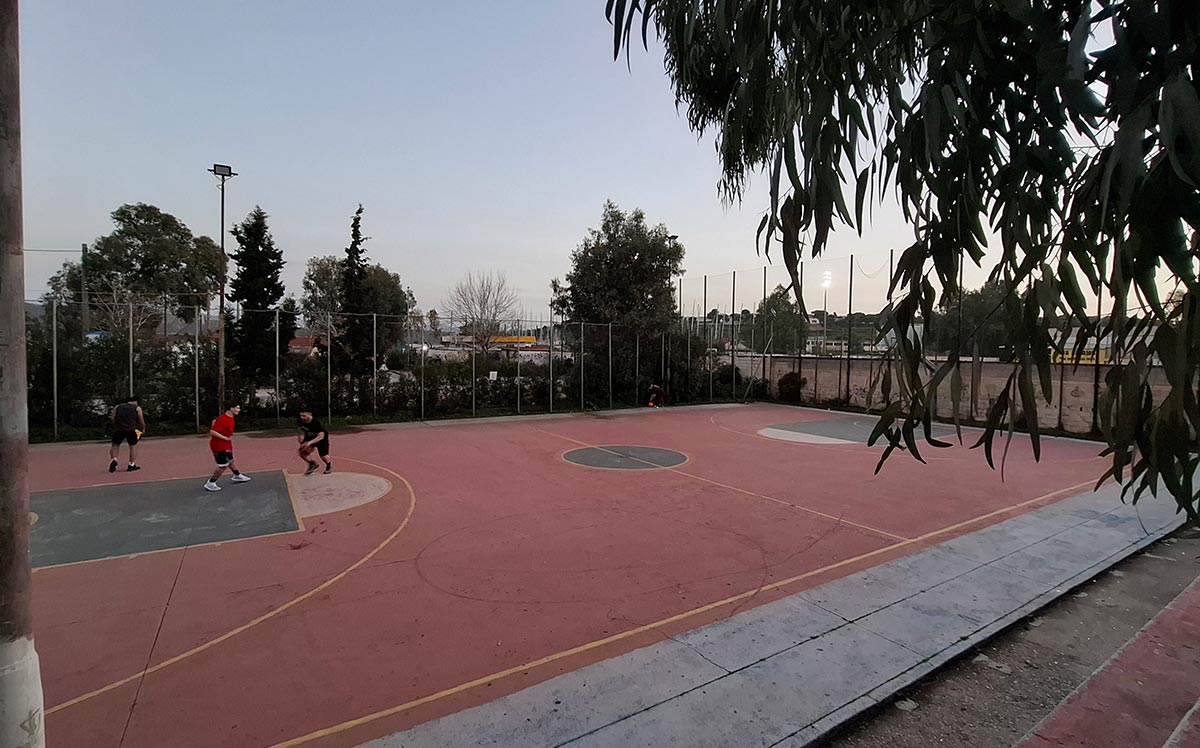
Sports Grounds and Public Spaces
Nea Peramos provides several public sports facilities including football fields, basketball courts and playgrounds located near the town center.
These areas serve both local residents and visitors and contribute to the town’s relaxed coastal atmosphere.
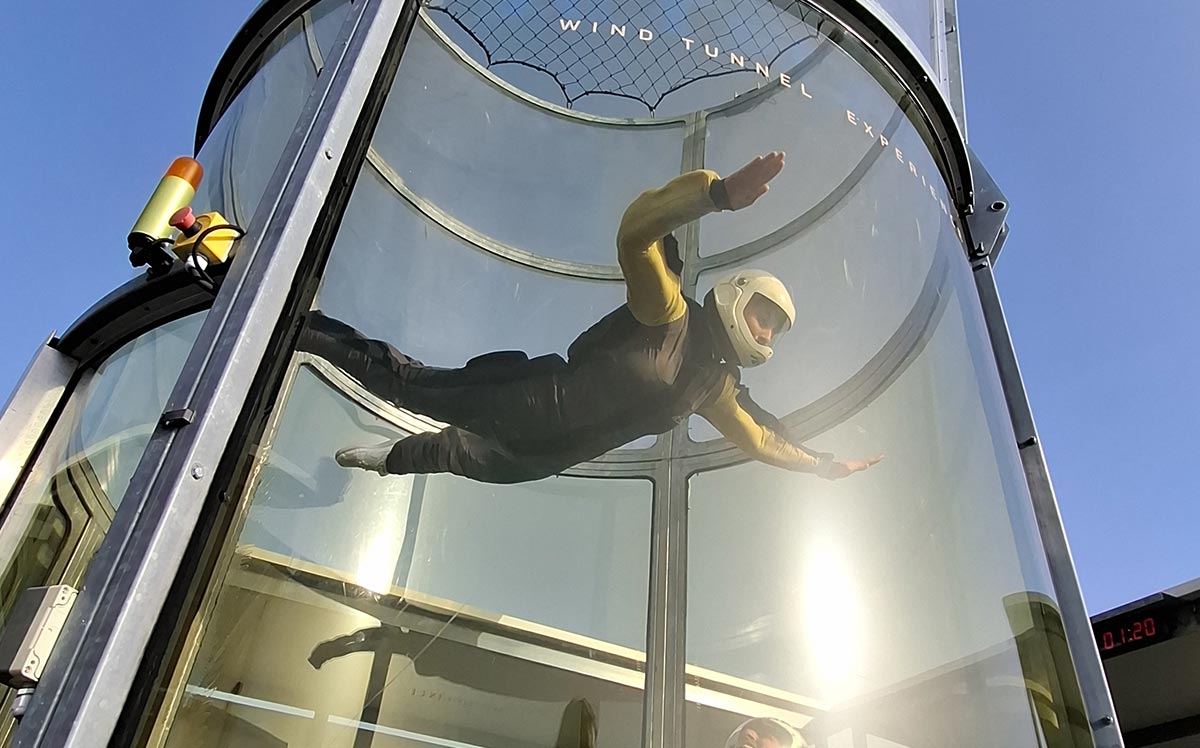
Skydiving Attica – Megara Airfield
The nearby Megara airfield hosts aviation activities including flight training and recreational skydiving.
The facility offers skydiving experiences and aerial views of the Saronic Gulf and the wider Attica region.
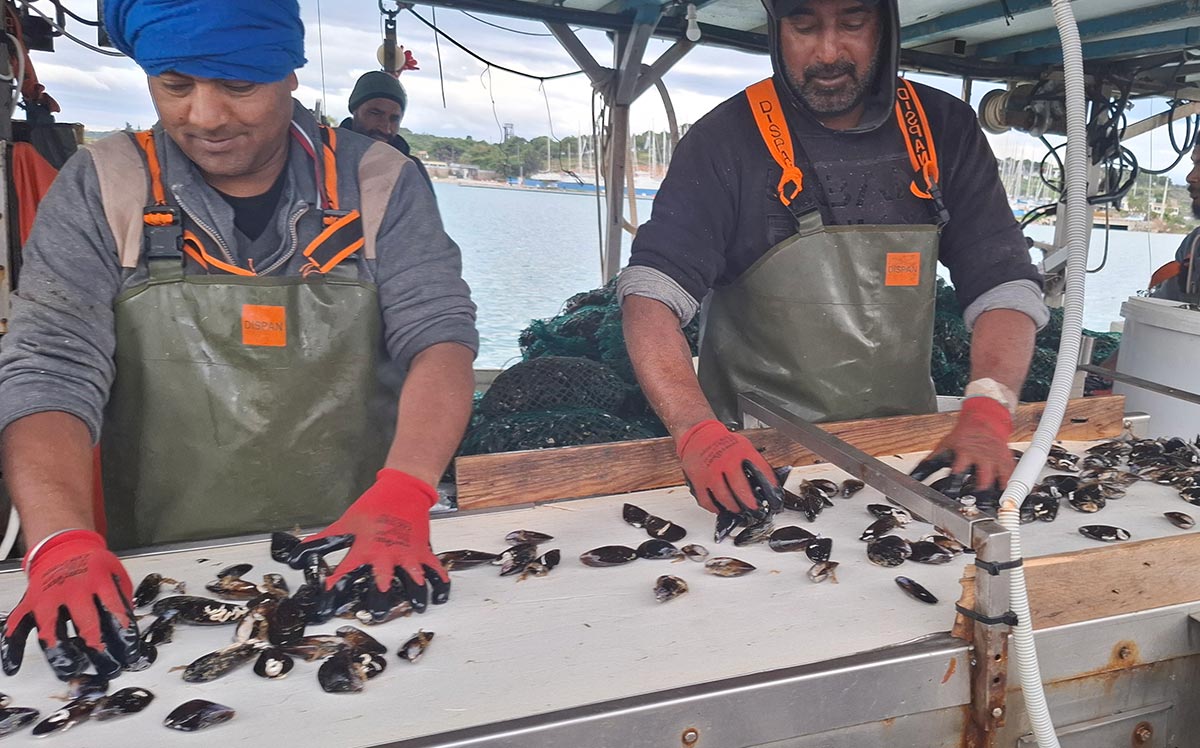
Mussel and Shellfish Farming
The coastal waters of the wider region support small-scale aquaculture activities, including mussel and shellfish farming.
These operations contribute to the local seafood supply and are part of the long maritime tradition of the area.
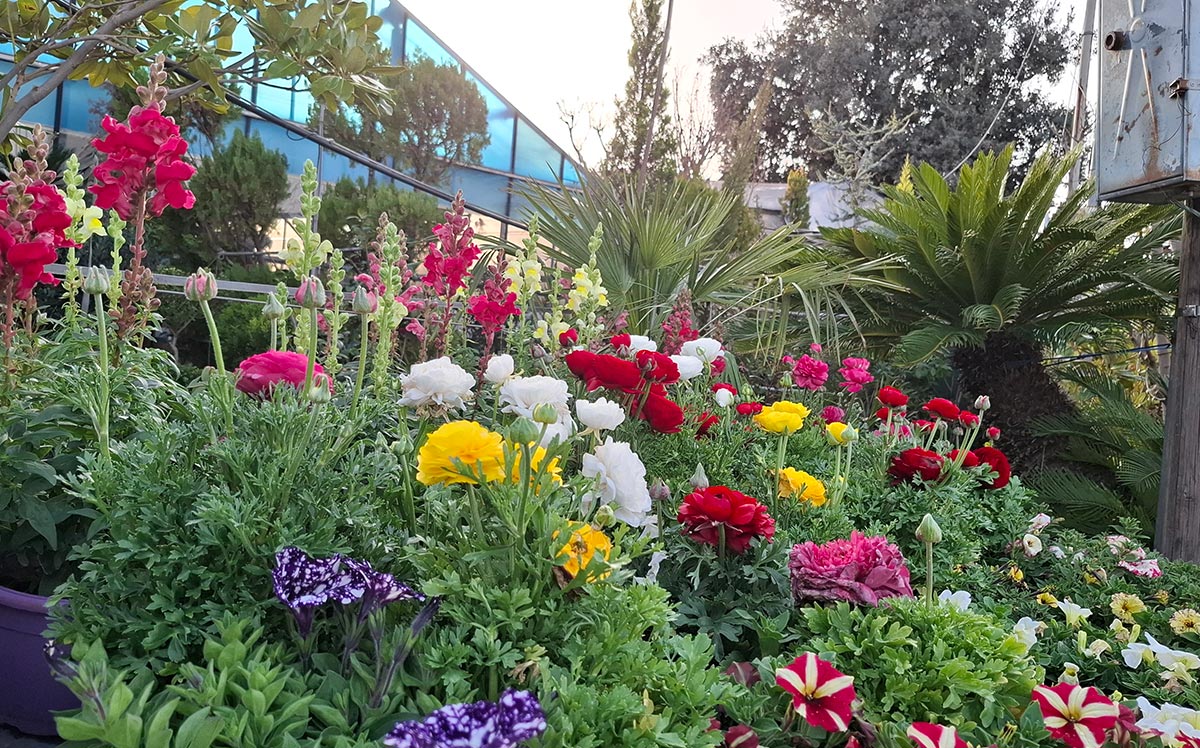
Local Flower Nurseries
The surrounding agricultural areas of western Attica include several plant nurseries and flower cultivation businesses.
These nurseries supply ornamental plants, trees and flowers to markets across the region.
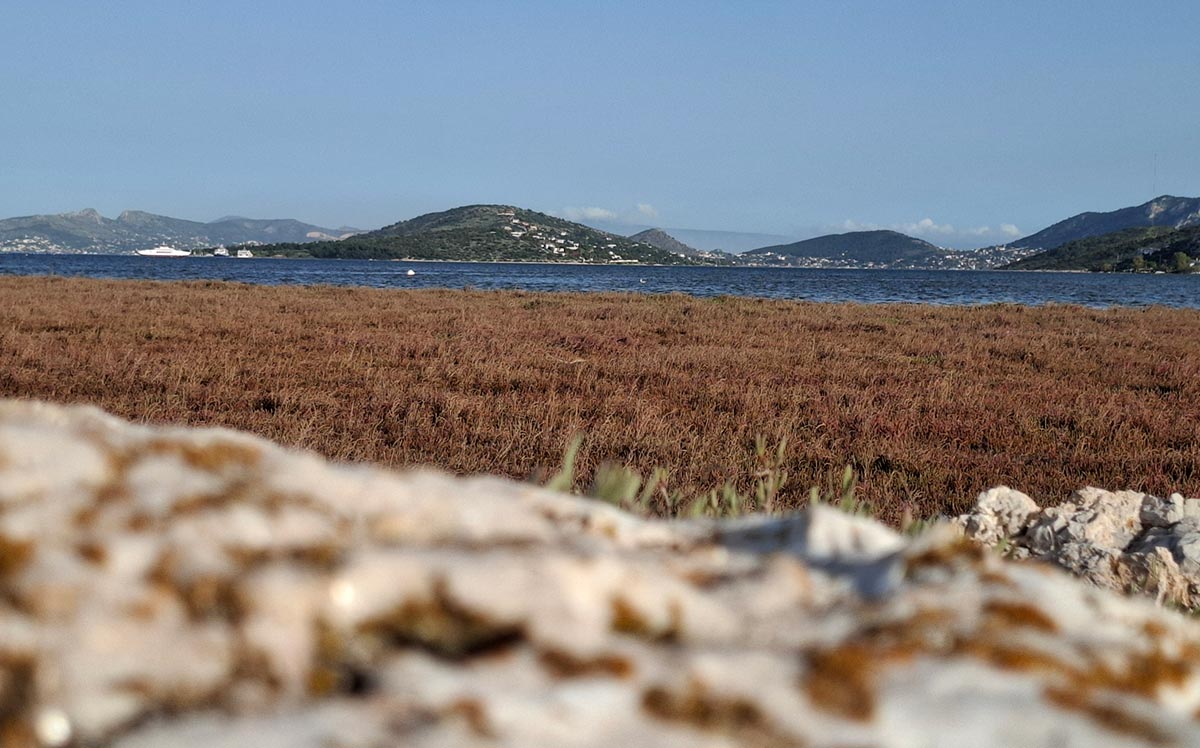
Vourkari Wetlands
The Vourkari wetlands near Megara form a protected coastal ecosystem and an important bird habitat within western Attica.
The shallow lagoon attracts numerous bird species, including flamingos during certain seasons, and is a popular location for walking and birdwatching.
History of the Harbour and Town
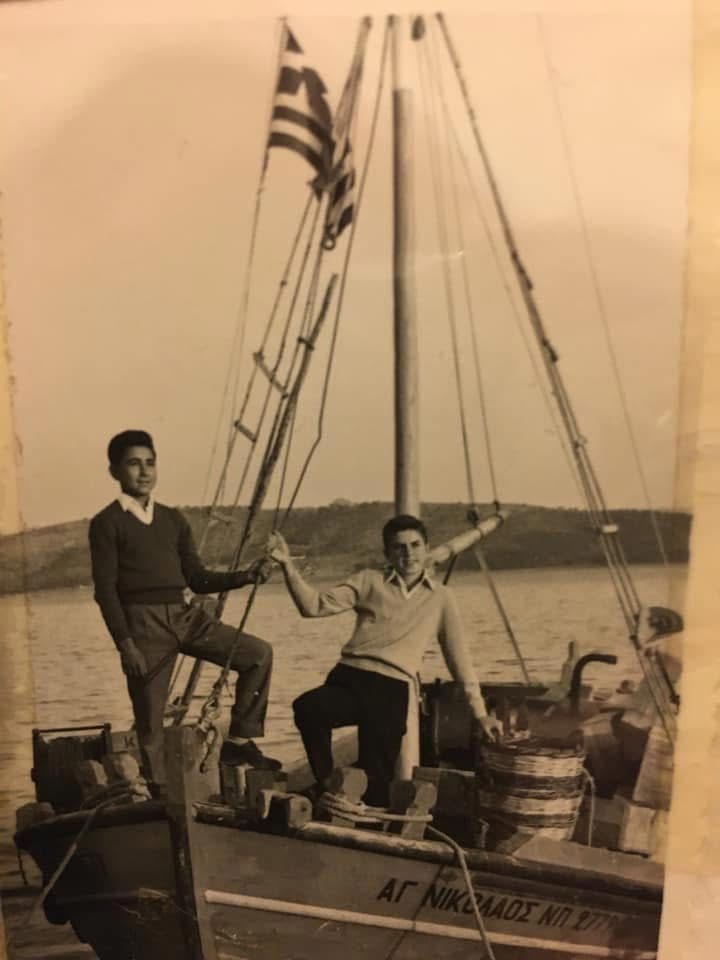
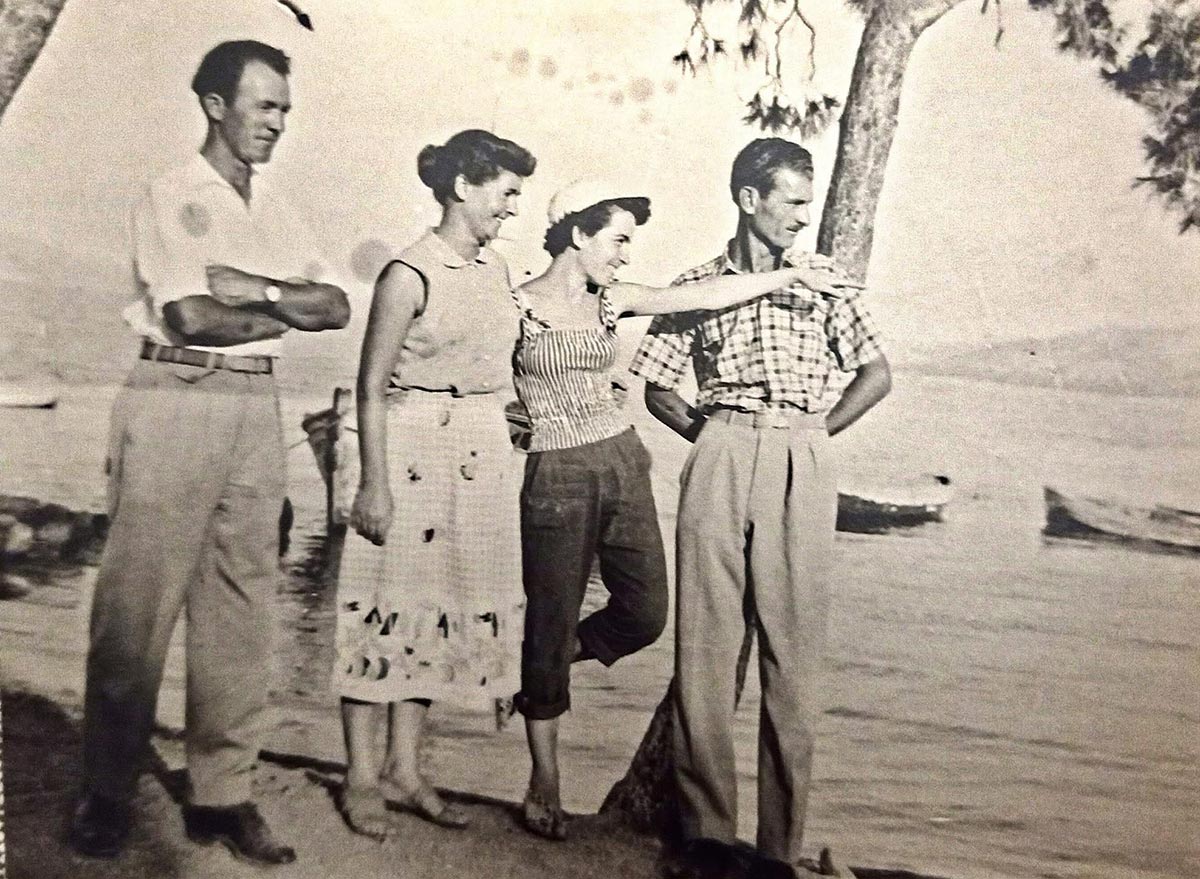
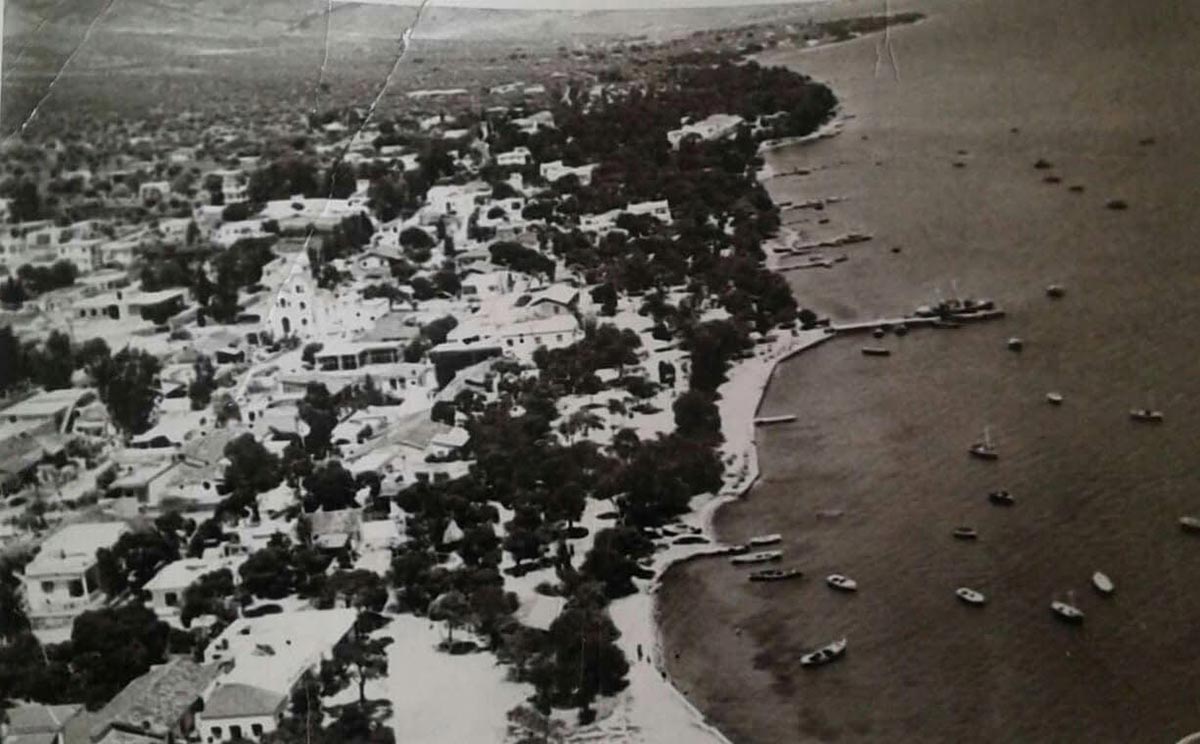
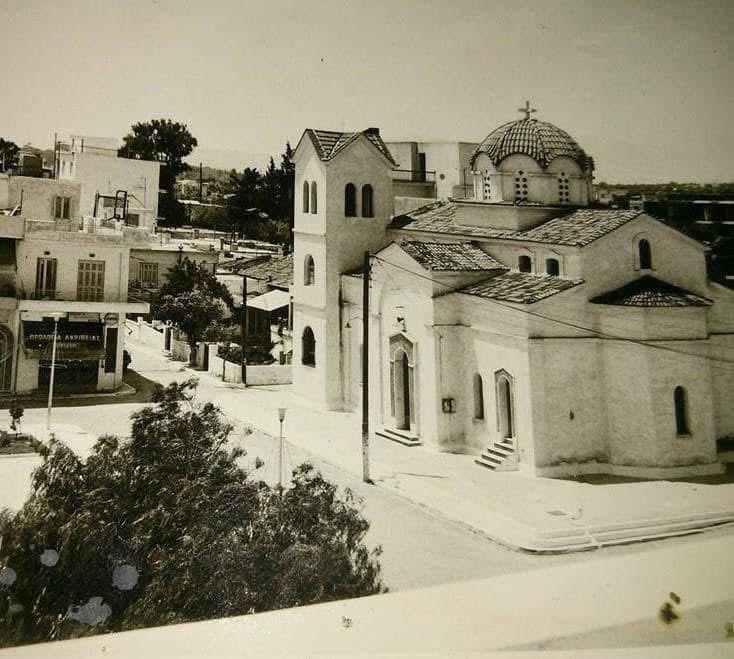
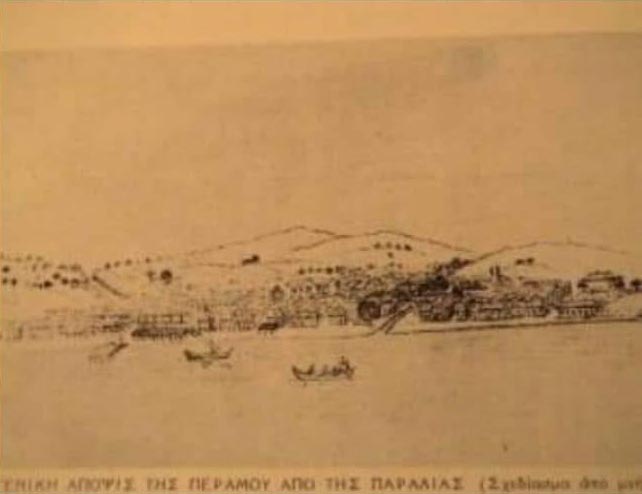
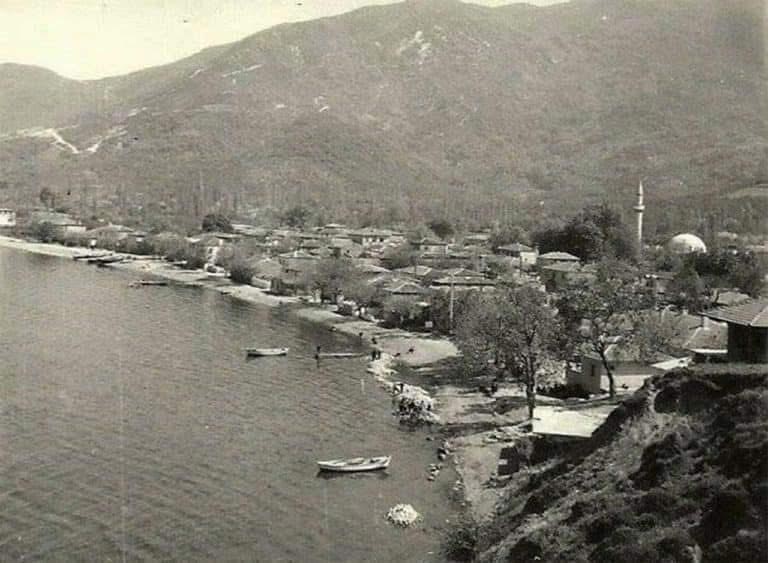
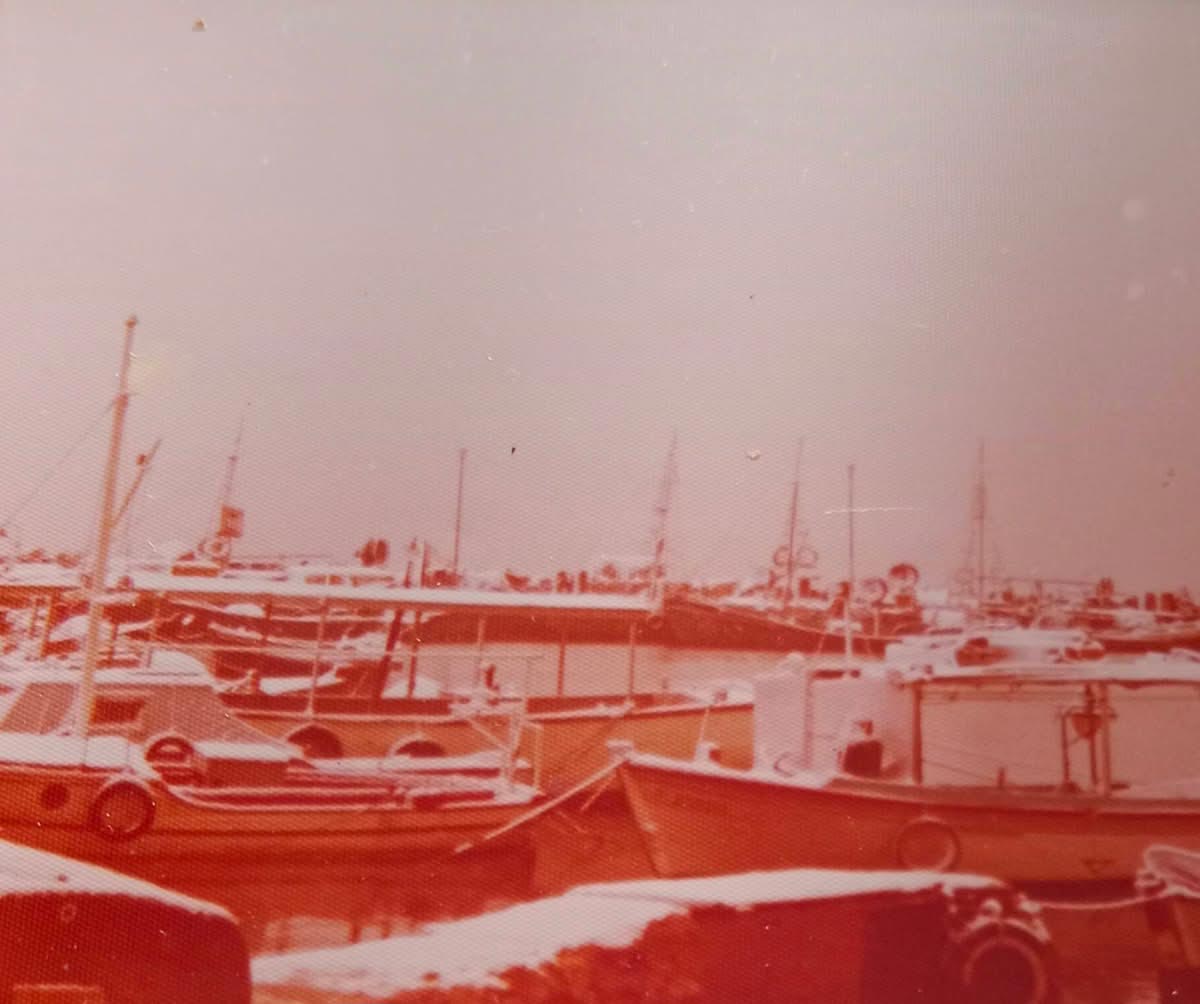
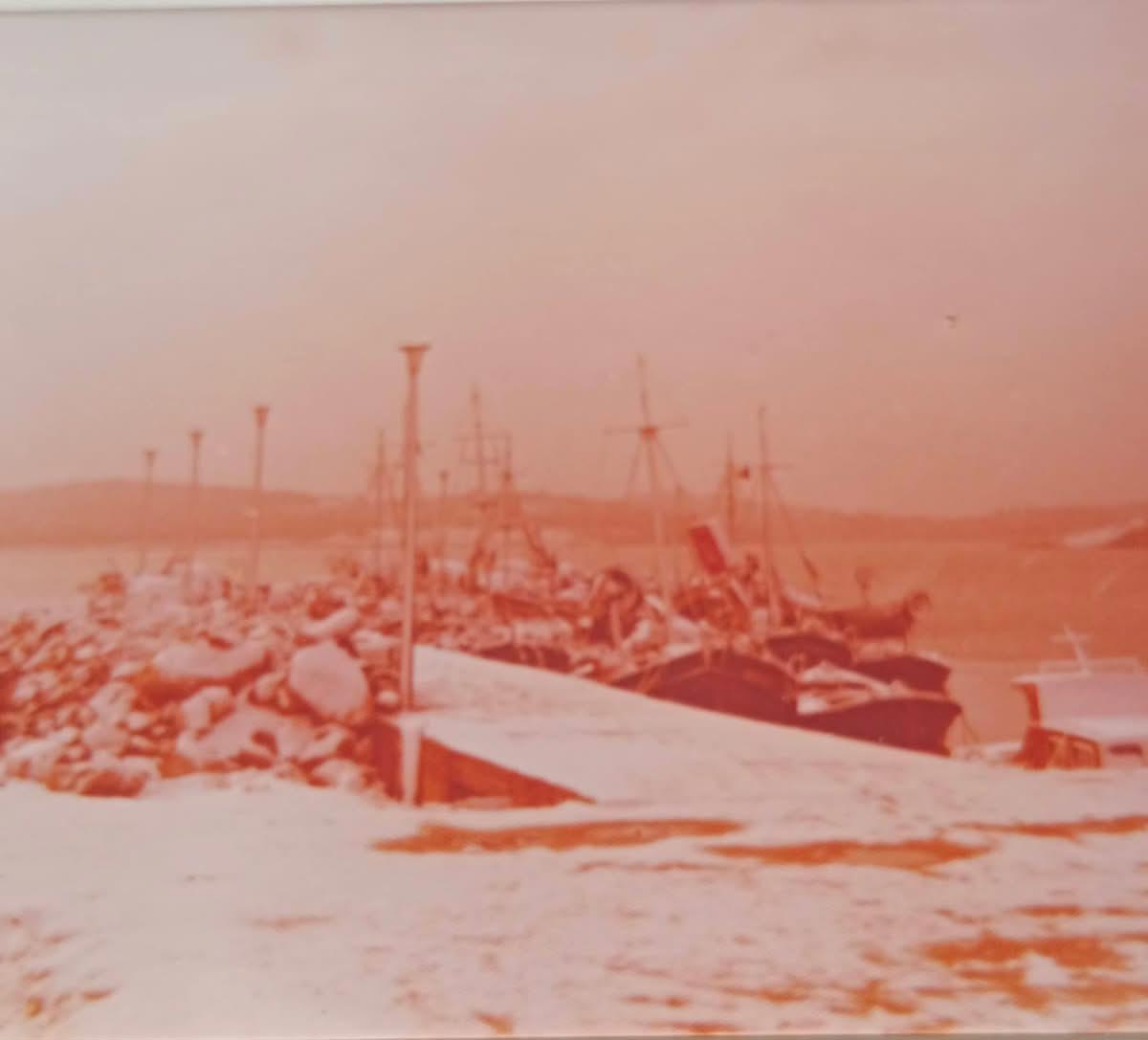
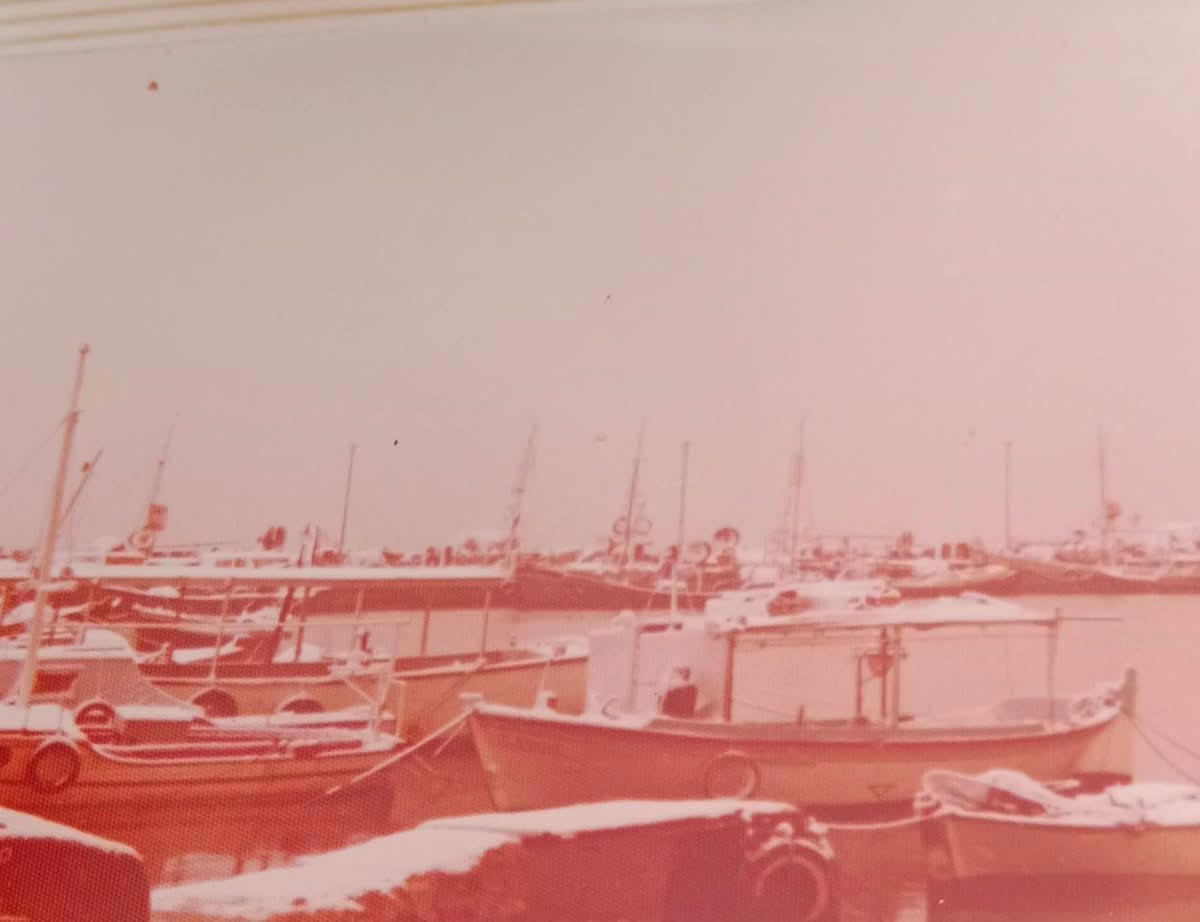
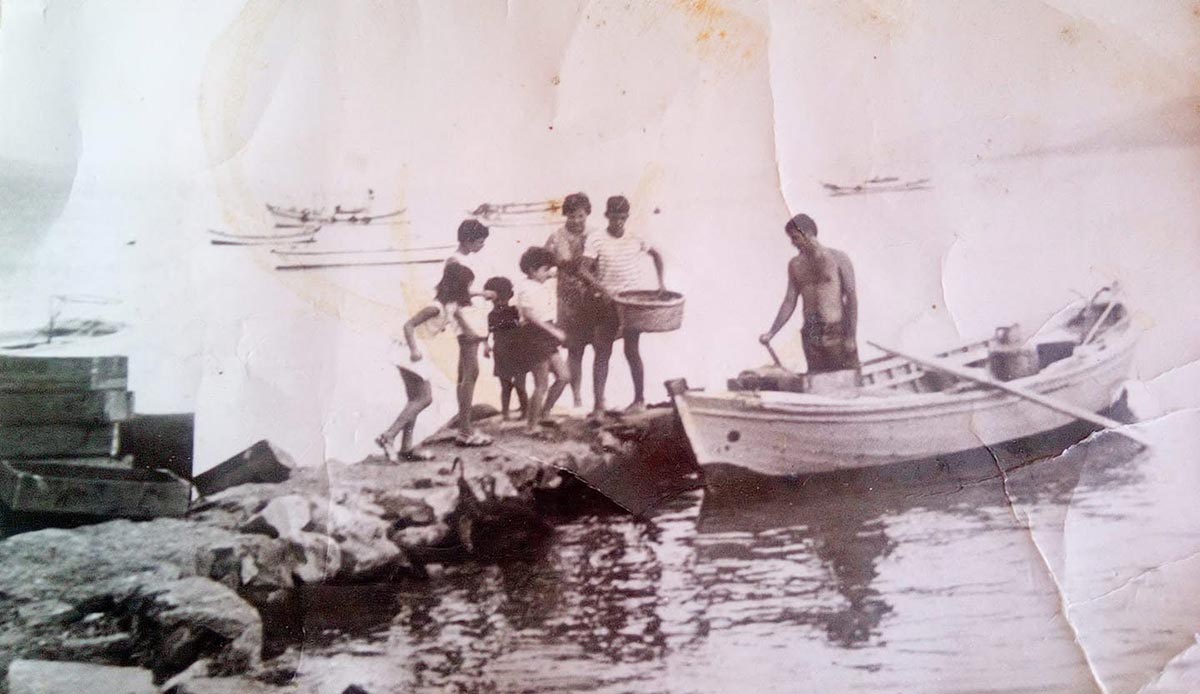
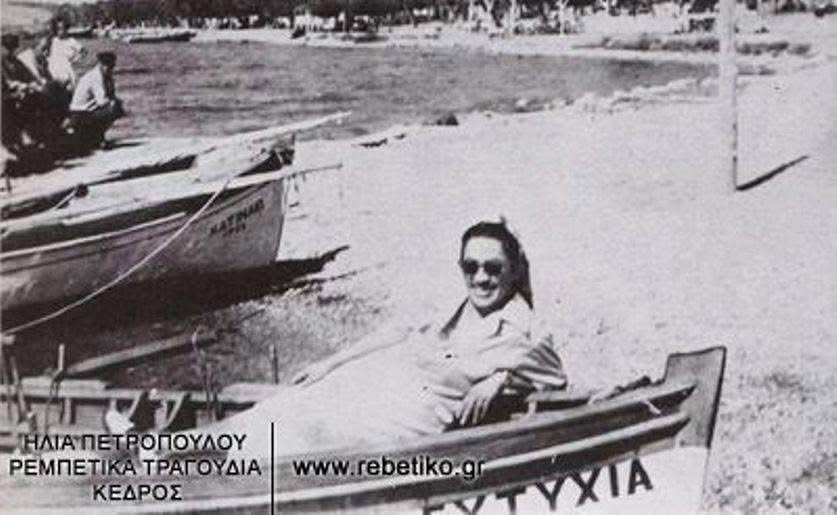
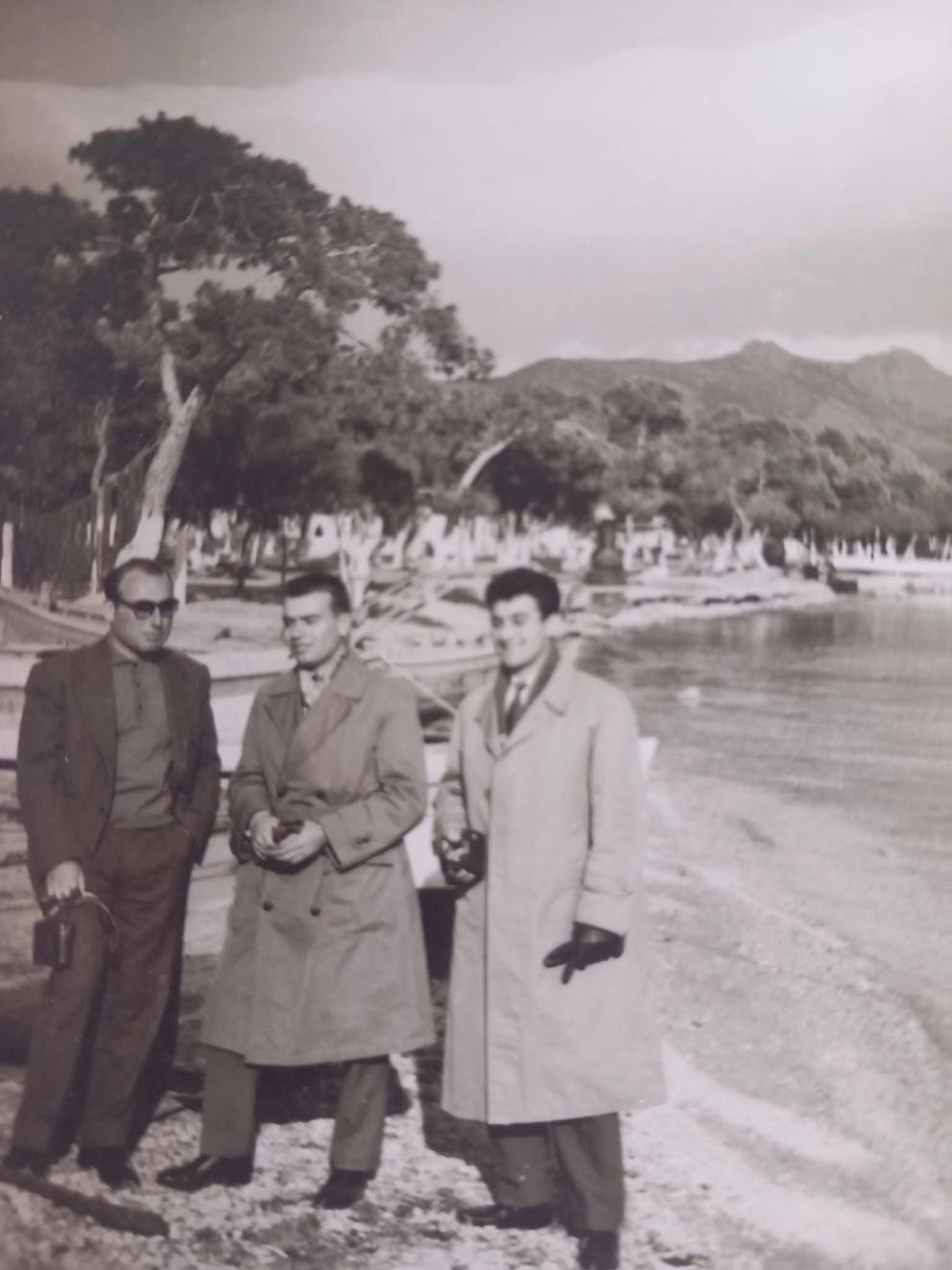
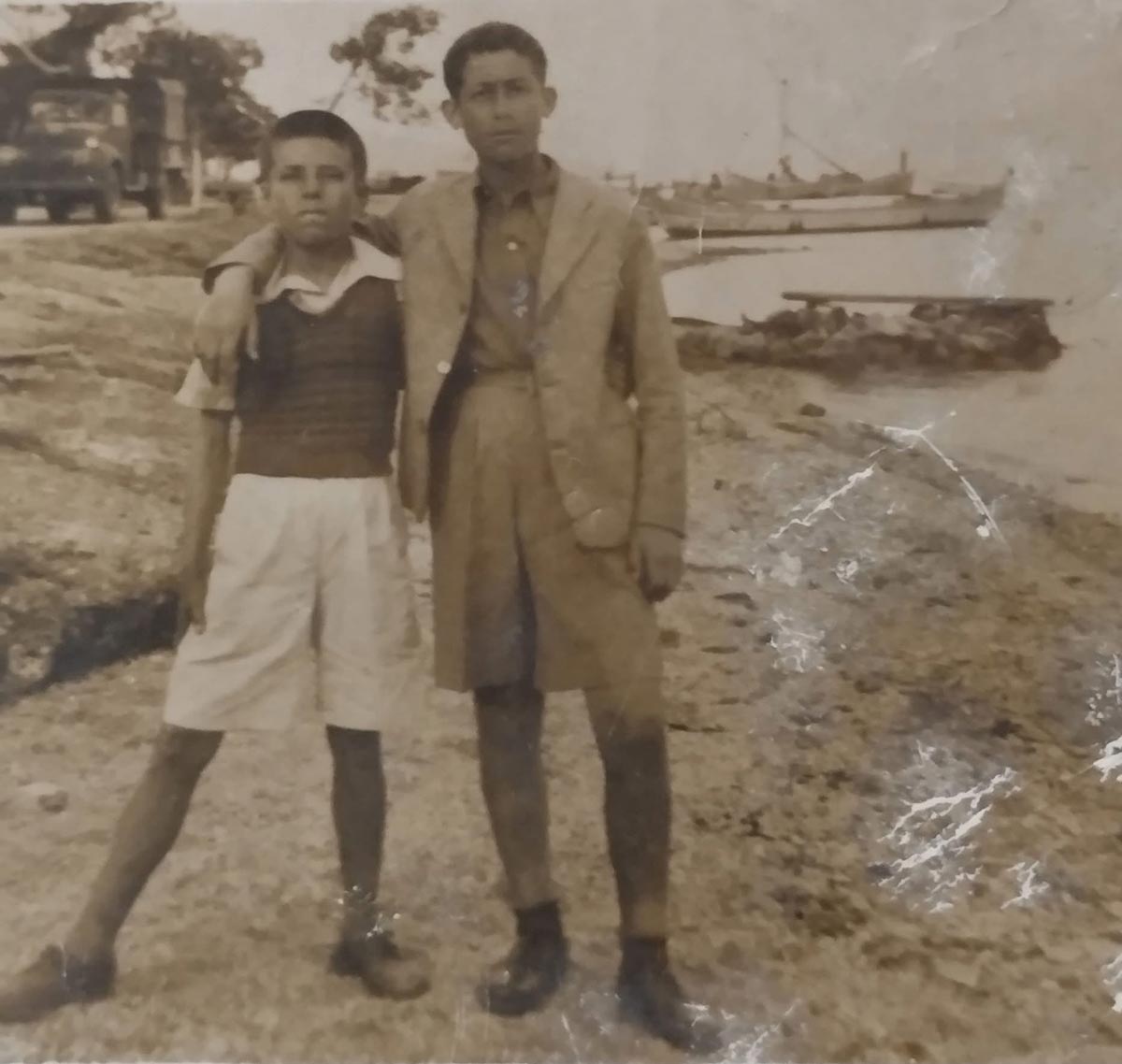
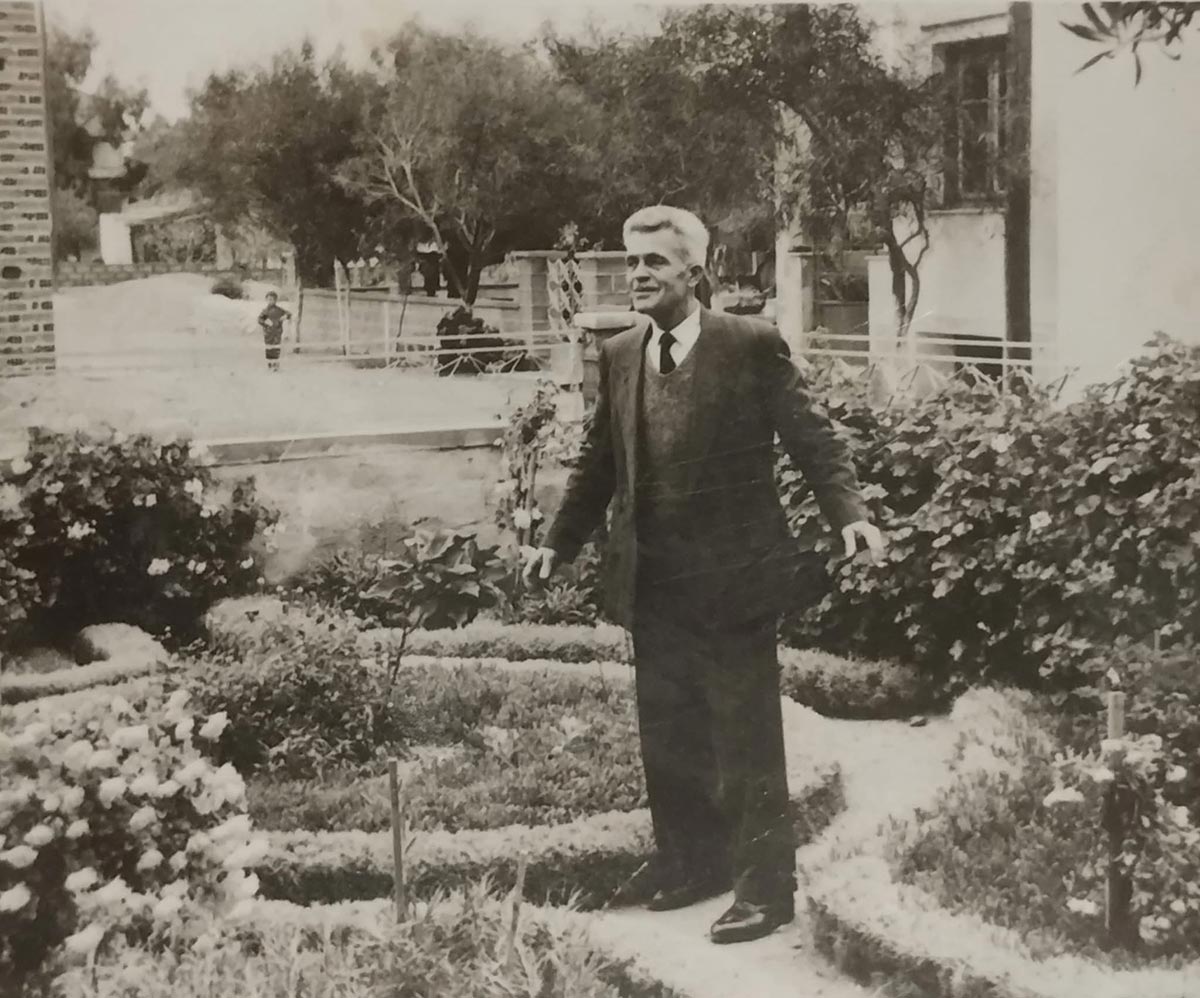
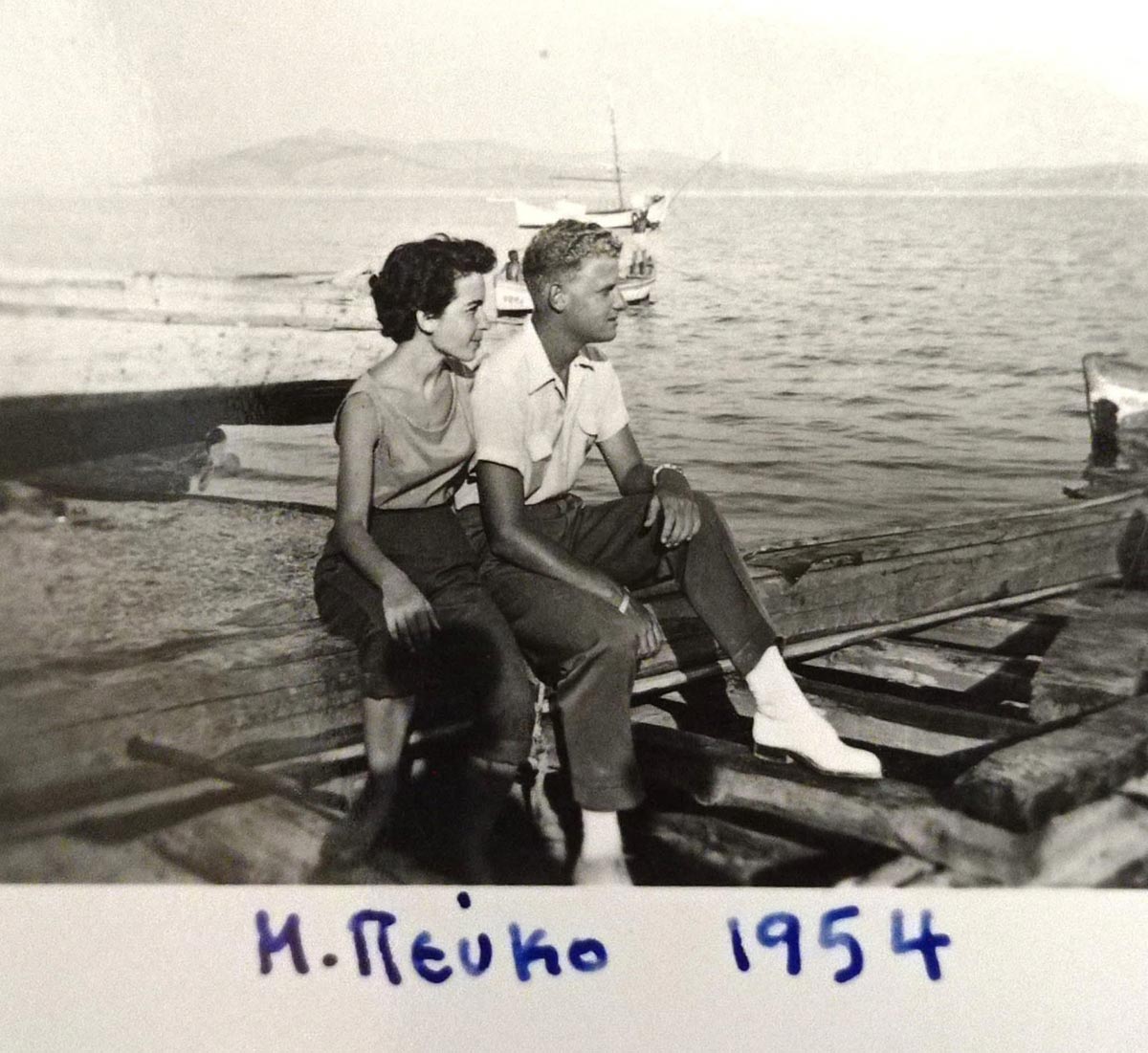
The town of Nea Peramos developed during the twentieth century as a coastal settlement closely connected to the sea and maritime activity. Founded in 1928 by refugees from Asia Minor, the settlement gradually evolved from a small fishing community into the modern town that exists today.
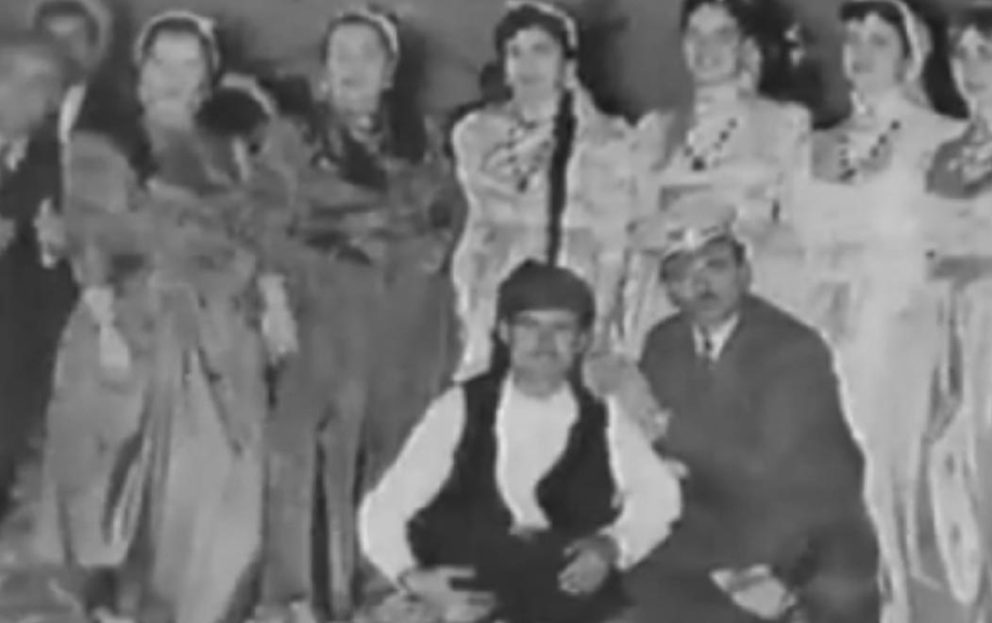
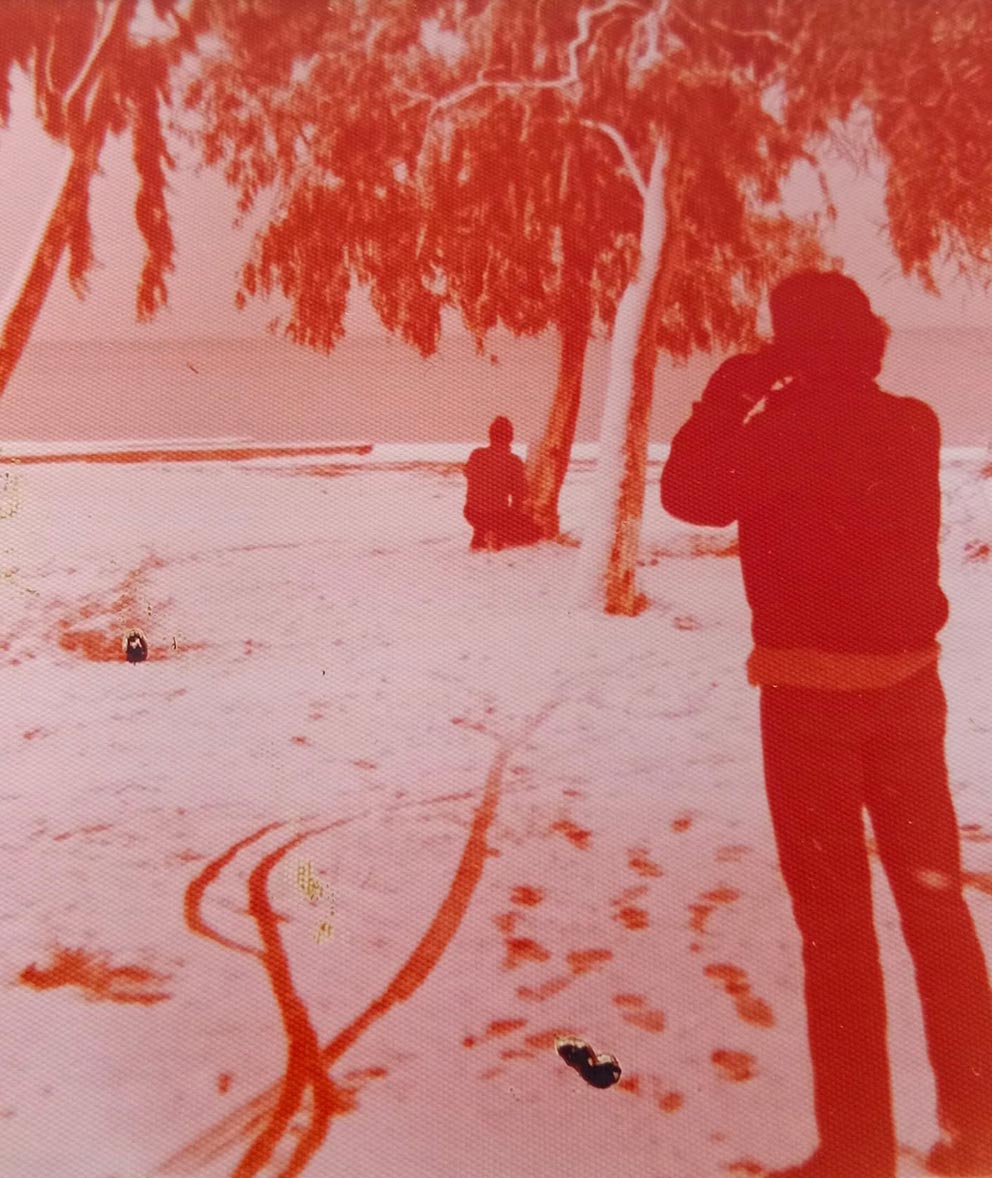
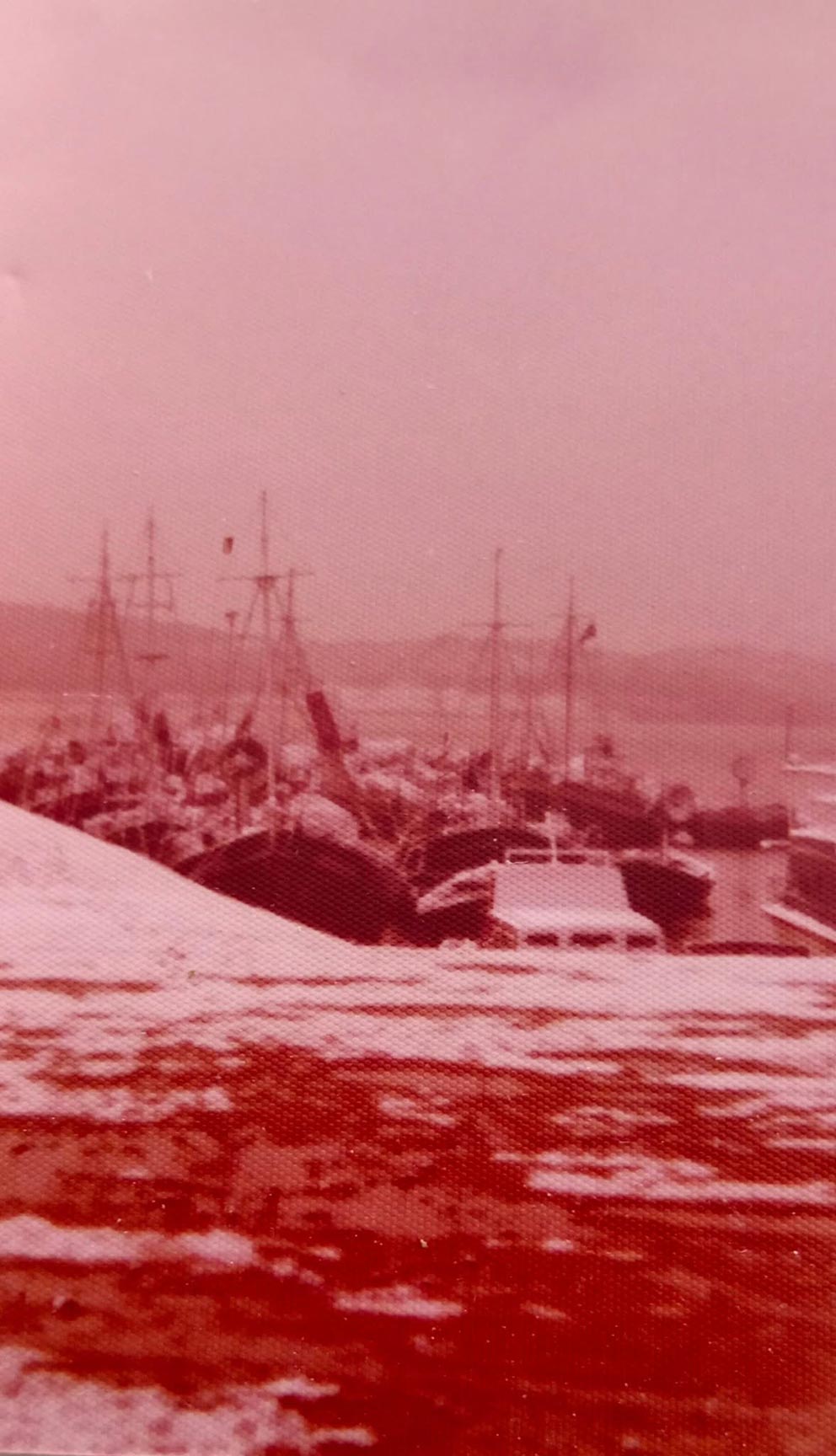
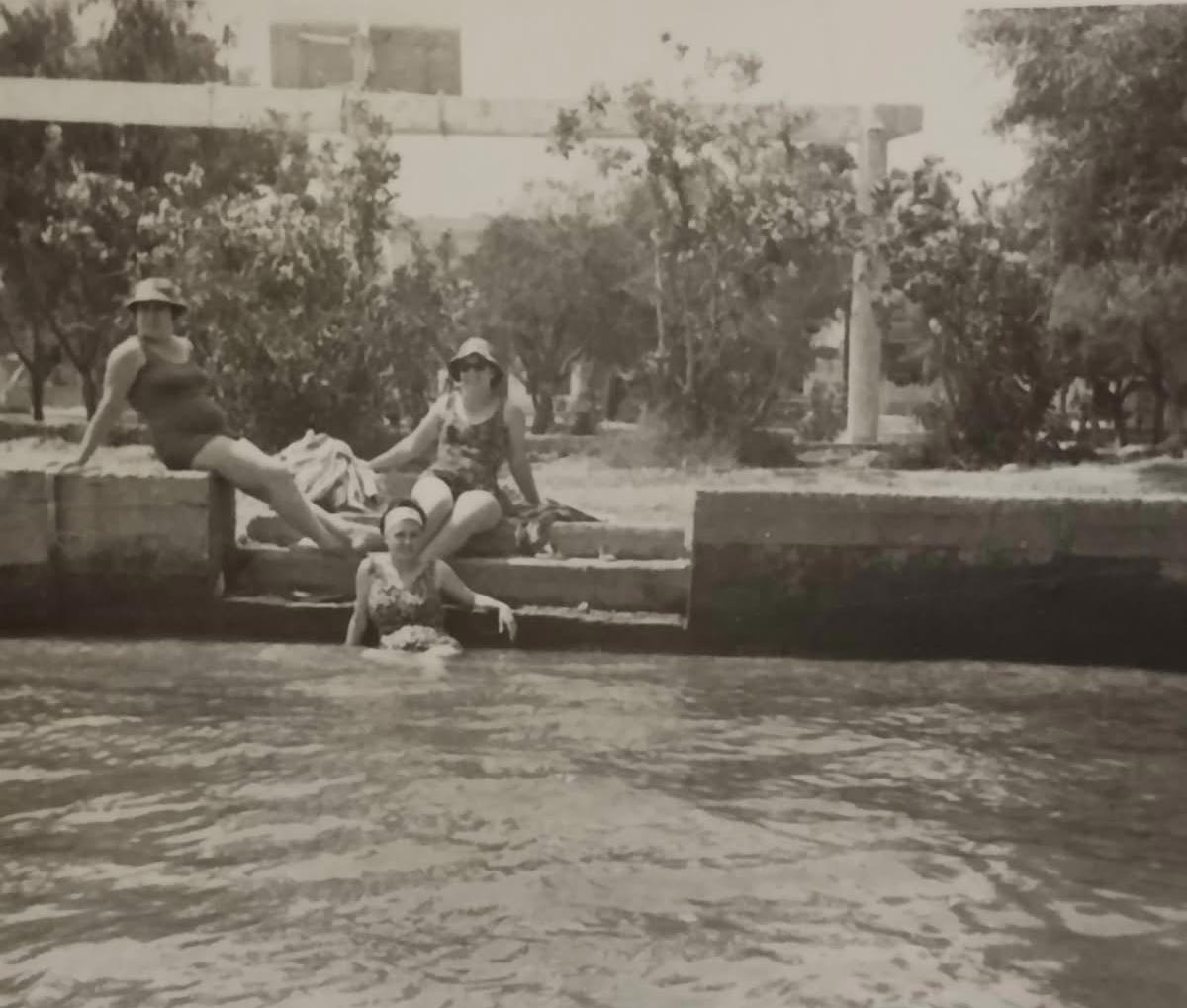
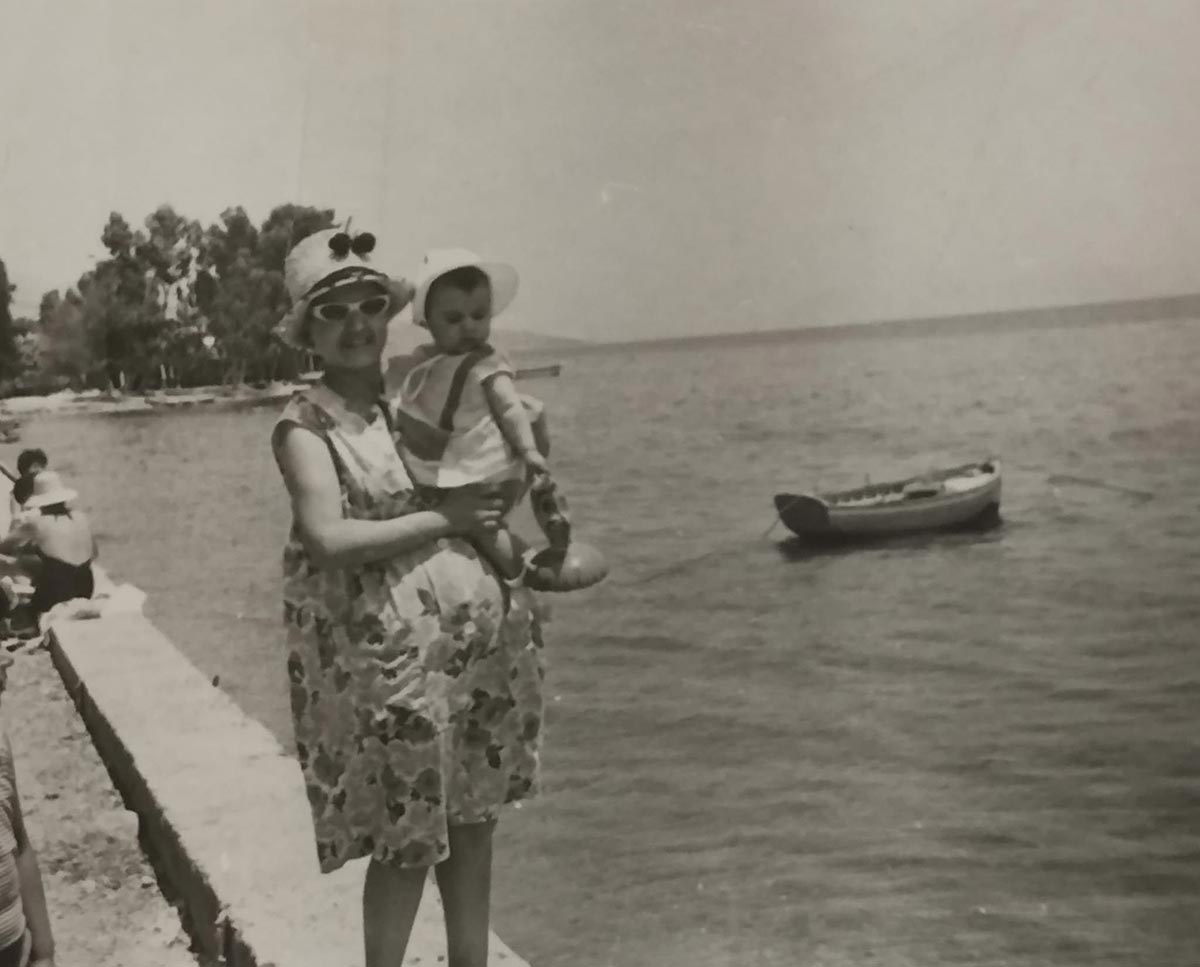
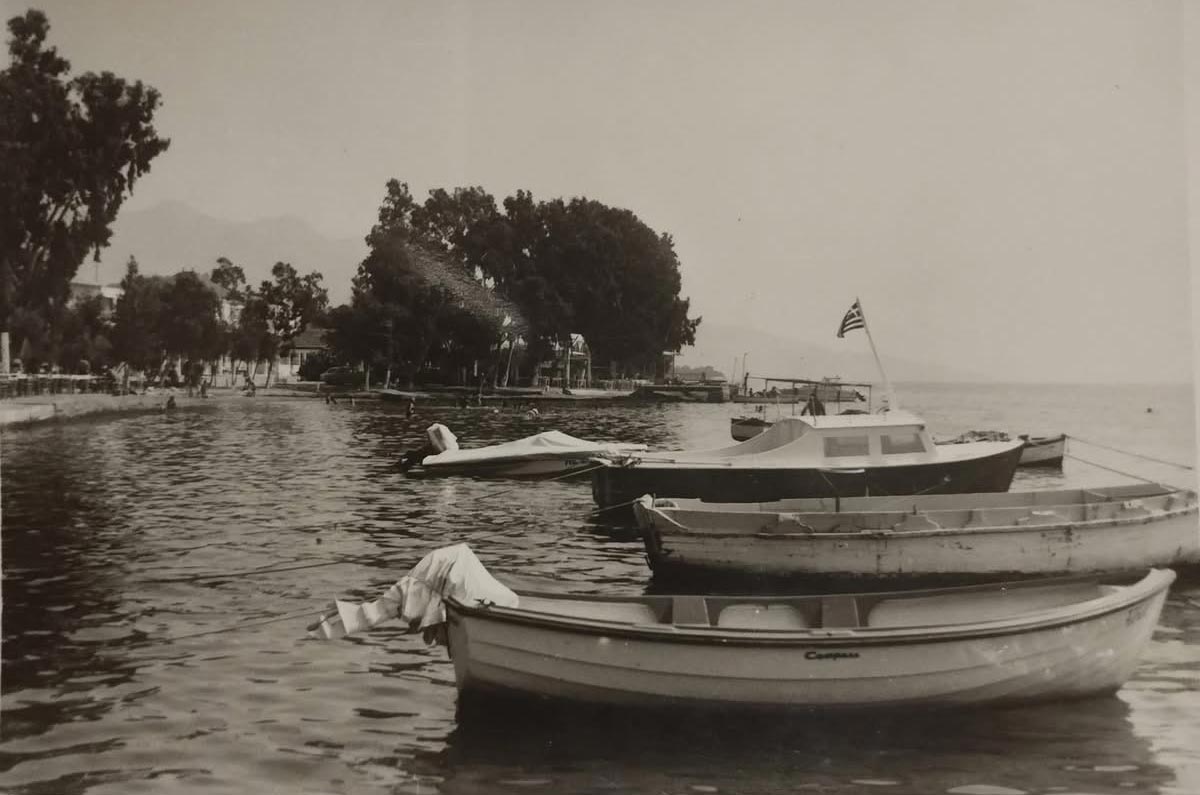
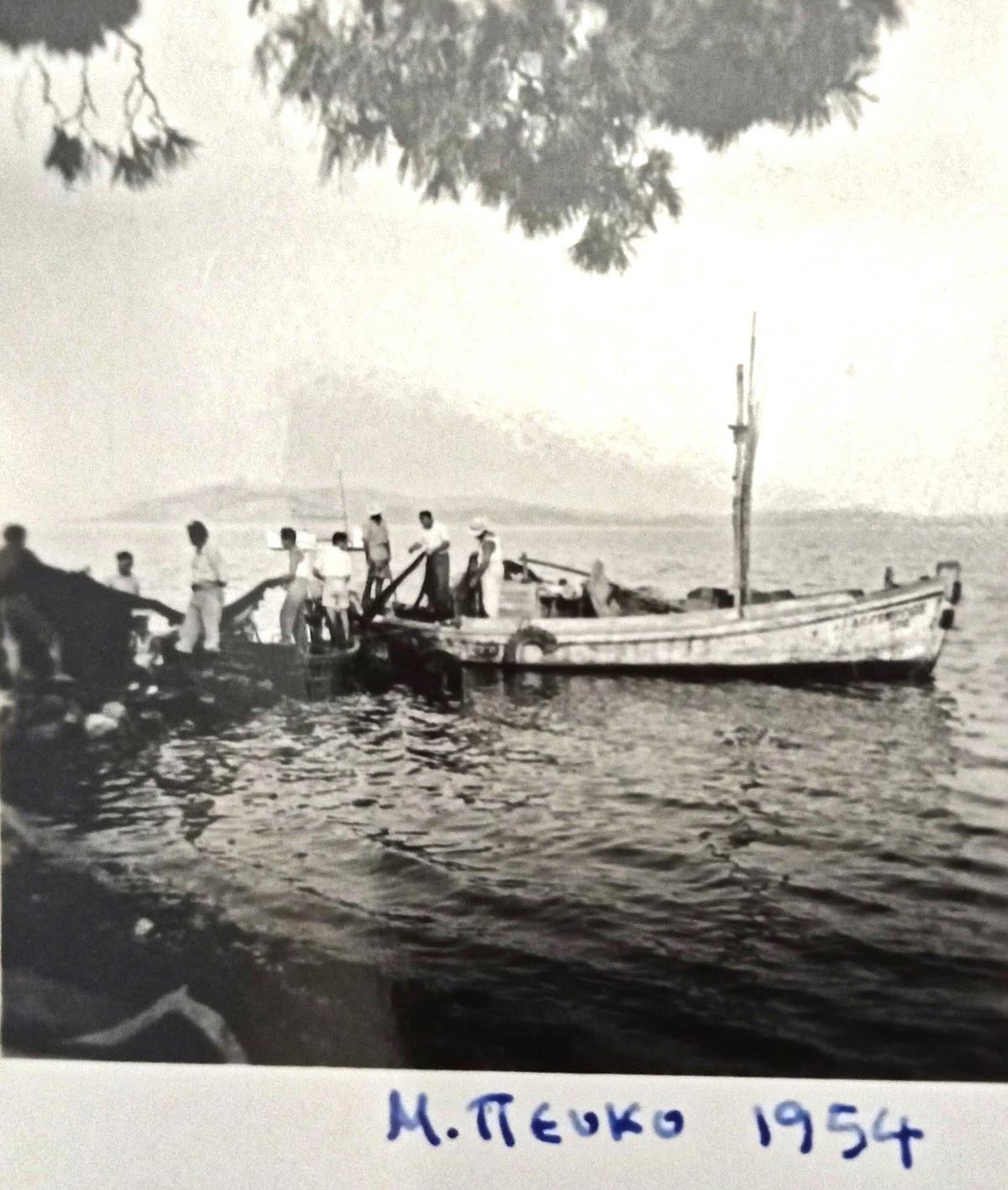
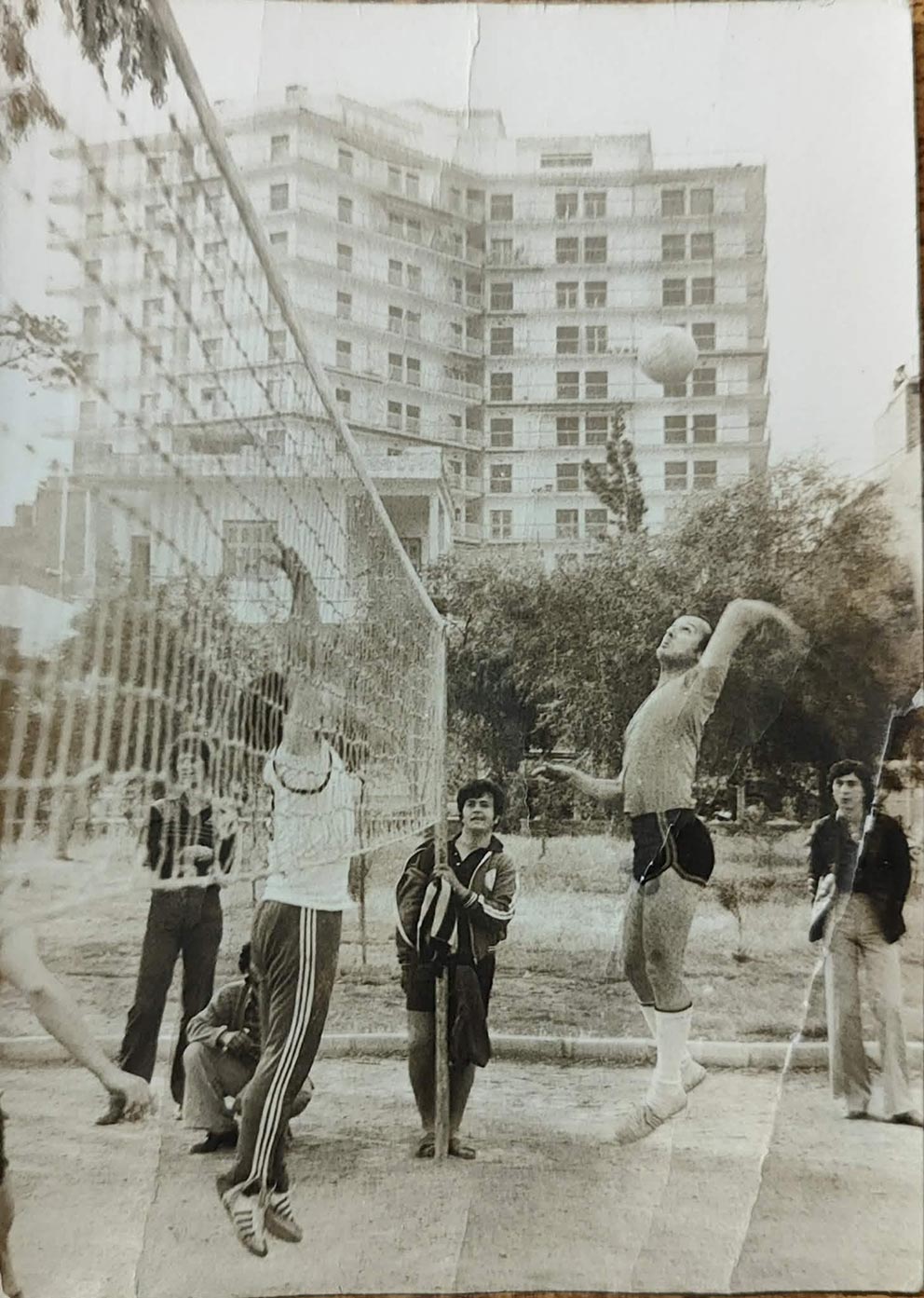
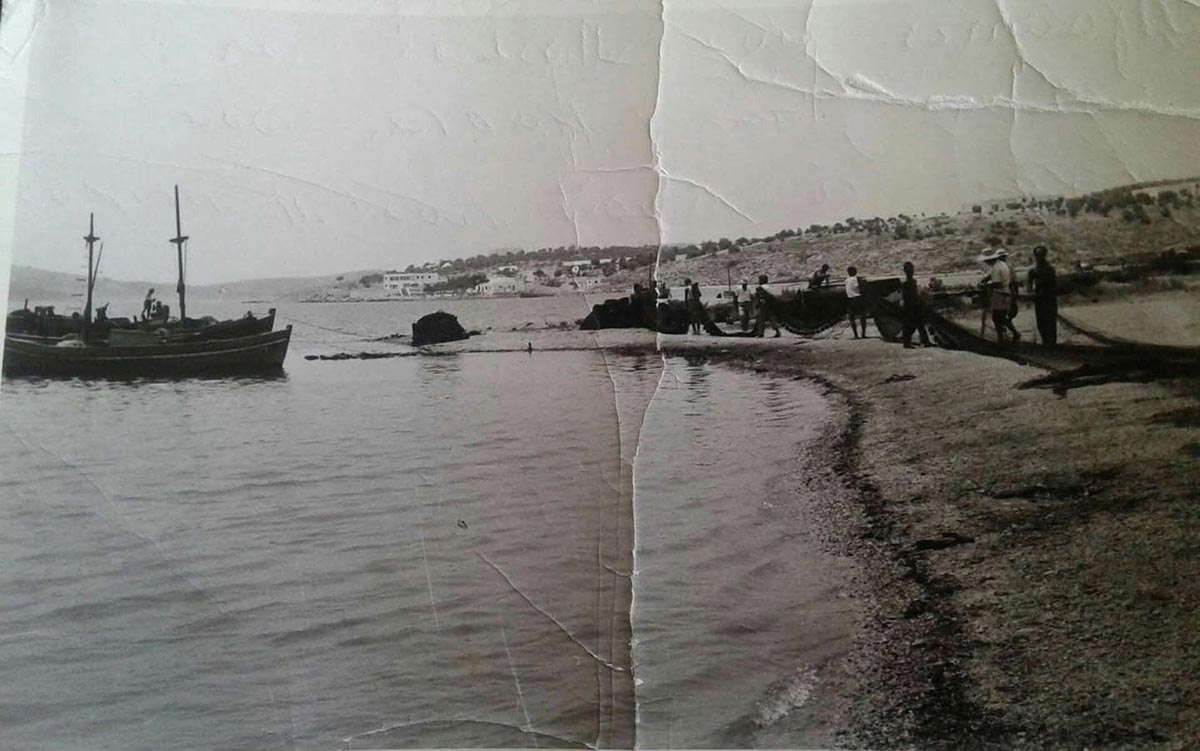
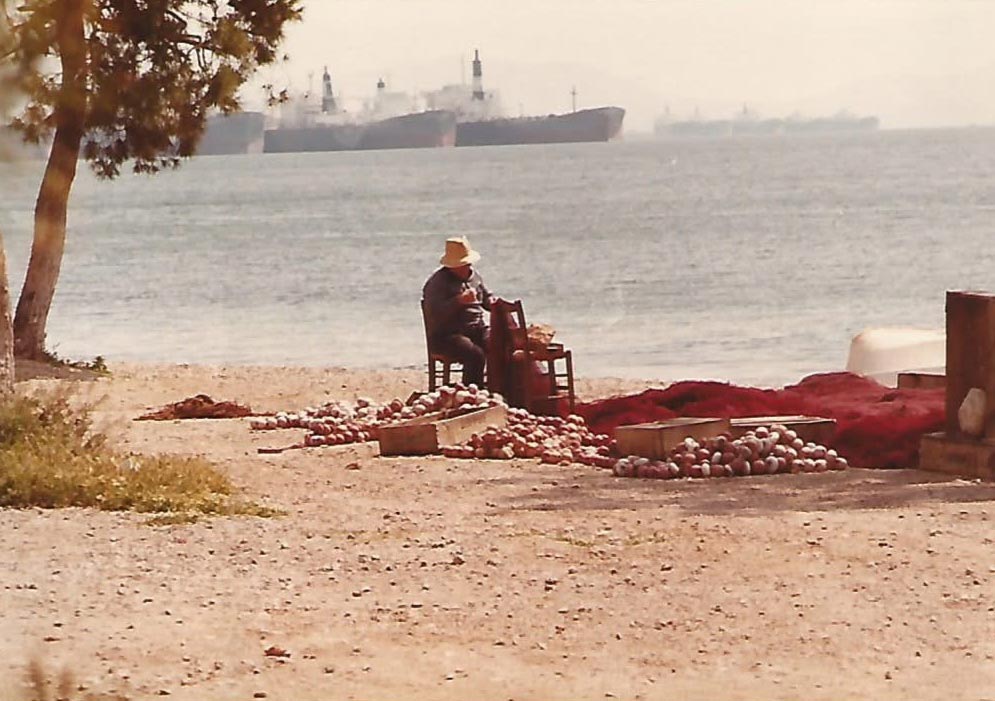
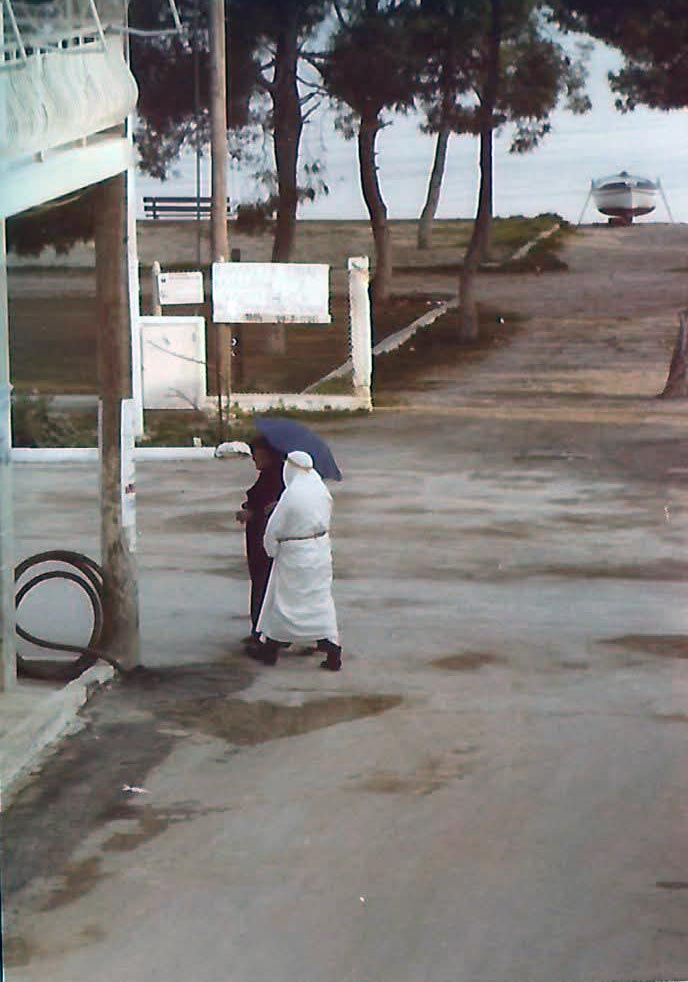
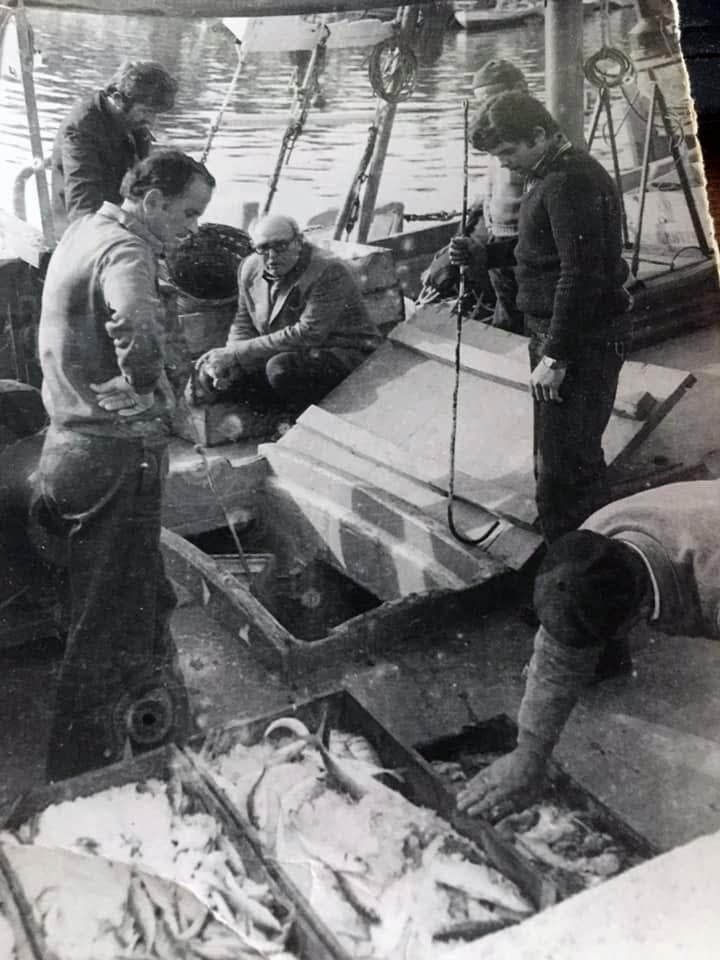
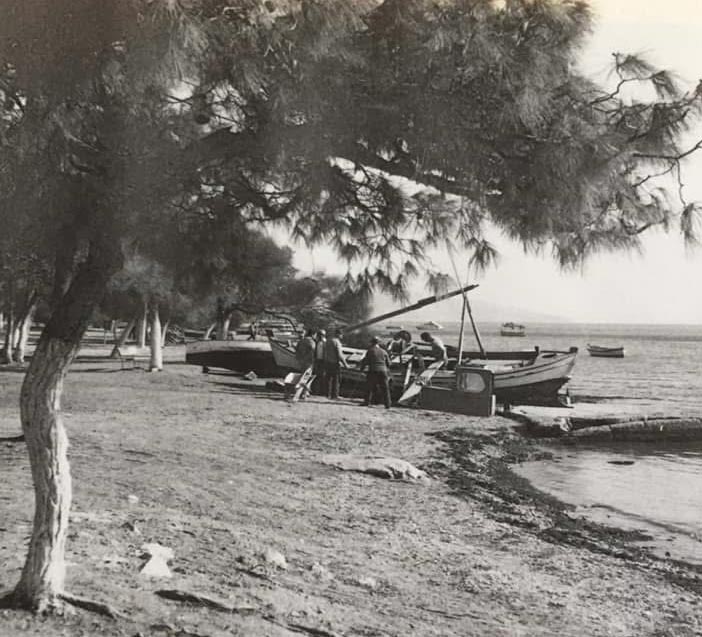
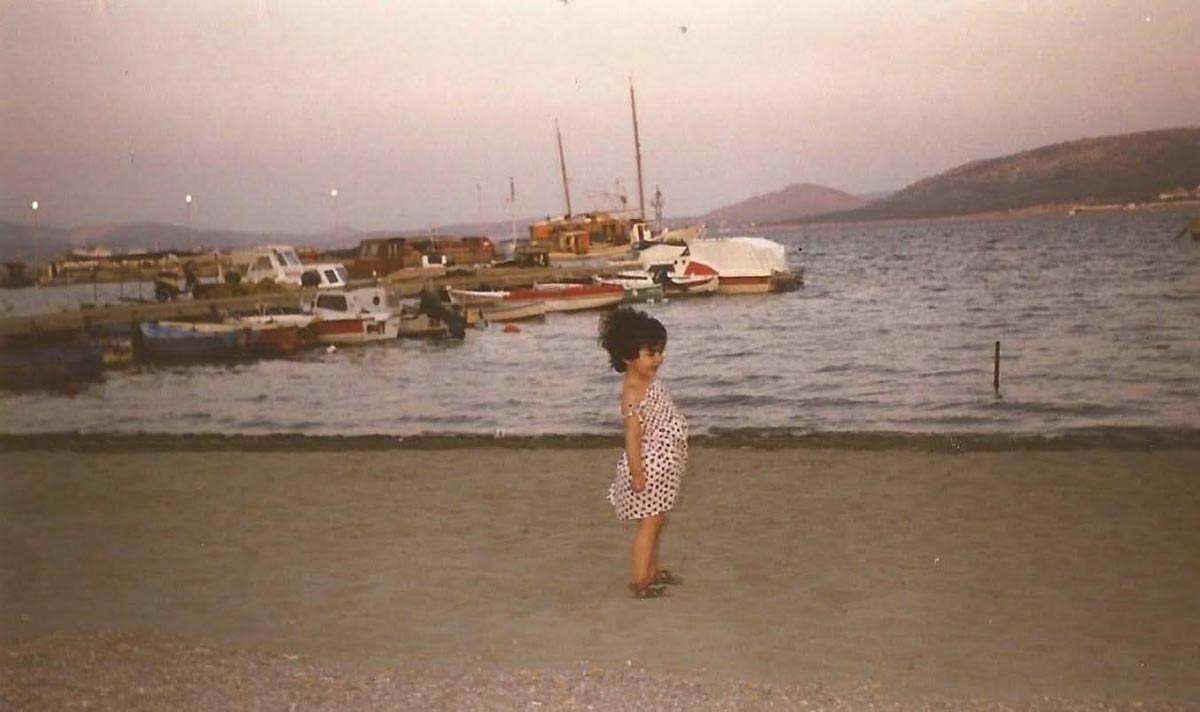
Historical photographs from the area illustrate the transformation of the harbour, the waterfront and the daily life of the local population across different periods of the town’s development.

BACKGROUND & DEVELOPMENT
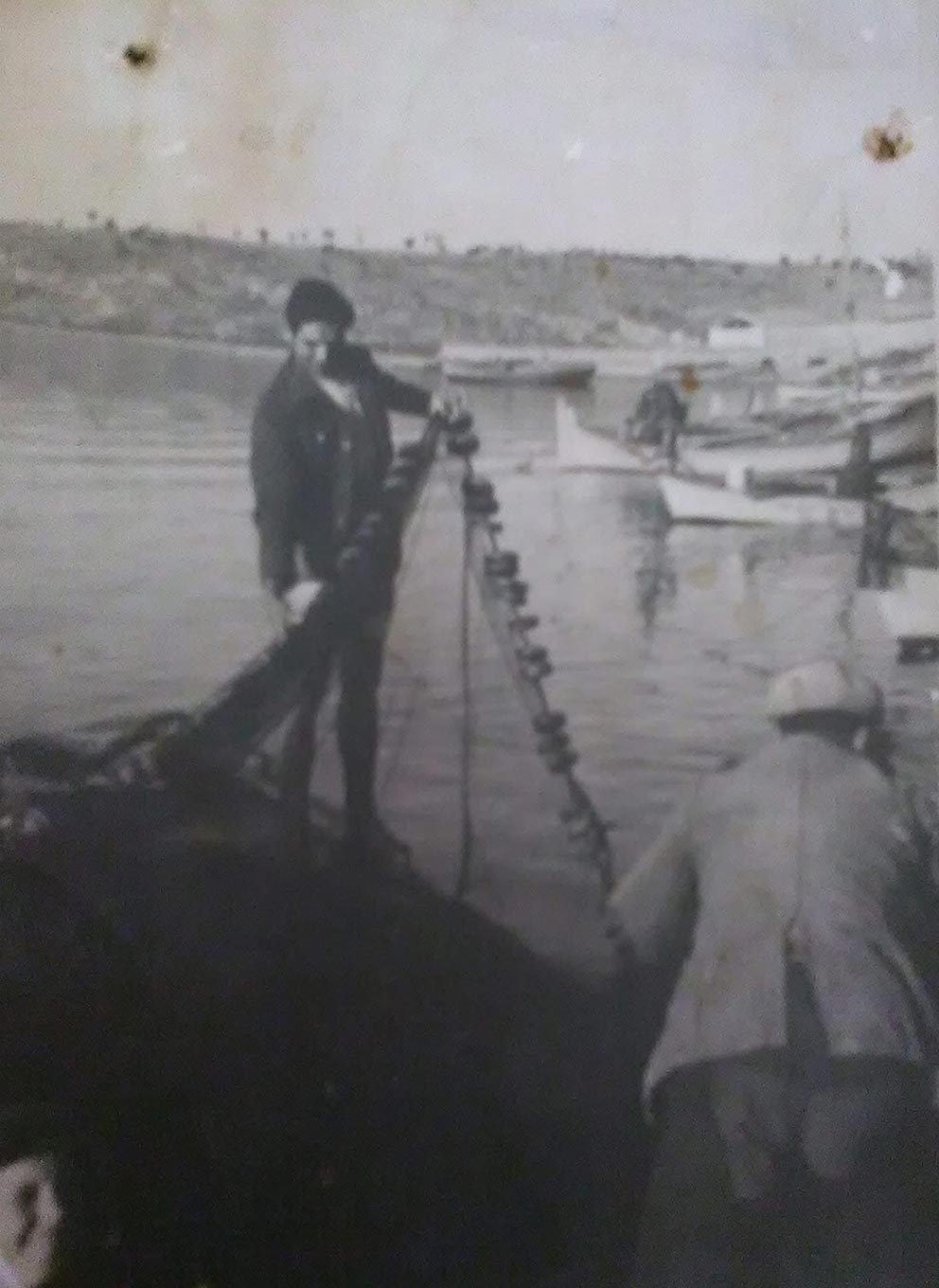
The settlement of Nea Peramos was established in 1928 by refugees from Asia Minor, who relocated to the western Attica coastline and formed a new coastal community within the Municipality of Megara. Fishing became the primary economic activity of the settlement, and the protected bay of Nea Peramos served as a natural anchorage for small wooden fishing vessels.
Until the late 1970s, dozens of fishing boats moored directly within the centre of the bay, in the area where structured berthing and the boatyard operate today. Traditional wooden boatbuilding activity was established in the area during the 1940s, and the location of the former boatyard remains part of the marina zone. During the Second World War, the protected waters of the bay were also used for military purposes, including mooring and servicing aircraft operating in the wider region.
The formal construction of harbour infrastructure began during the period 1967–1974, when the initial port works were undertaken. In 1989, the western breakwater was extended, reaching the point where the lighthouse stands today. Between 1994 and 2000, further improvements were completed, including the eastern breakwater and the reconfiguration of the waterfront and central square area. By 2000, the basic harbour layout had taken the form that remains today.
In the period 2023–2026, licensed floating pontoon installations were added along the outer breakwater and western basin under publicly recorded decisions. These additions increased structured berthing capacity for yachts and enabled the marina’s expanded use by private and charter vessels. While the marina retains its fishing and local maritime character, these developments have positioned Nea Peramos as a mixed-use harbour supporting both traditional maritime activity and leisure sailing.
VIDEO ARCHIVE